Home Blog Page 5

How To Care for The Sanseviera

0

Surely, if we name the Sanseviera plant, not everyone will recognize it or know which one we are talking about. But beware, if we say the word, of the sword of St. George or also, for example, the tail of a lizard or even the tongue of a mother-in-law … All these names come to be the same. Yes, all these names are the same plant. The difference is that, with the most peculiar names, they are in the end, the most common and recognized.
How To Care For The Sanseviera

This plant has a particularity and is that, if you are one of those people who are not too good at being able to take good care of or keep plants for a long time, this is one of those plants that would be good for you.

They are resistant plants and the poor ones, endure well and are usually grateful. There is no excuse for saying that you never live any plant inside the home, that you die for lack of light or on the contrary, that you do not have hands to water them because they all die, that they give you a lot of work because you have to throw fertilizers continuously, nor prune them every month or every week, or pick up flowers that may fall… The same, they withstand the weather and can live in the garden perfectly.

Just keep in mind that they need enough light, inside better that the light is not too abrupt so as not to burn them, and the same, in the garden. Watering, moderate. Above all, be careful not to overdo it with the water so that it does not have surpluses and ends up drowning and rotting.

In times like winter, be careful of the heating (if they are inside the home) and the cold, snow, frost, winds … in the garden. In the summer, because of the heat, check that they are not dry and try to water them twice a week if they are in the garden and / or terrace.

Instructions for caring for the Sanseviera

  1. We must always take into account how plants can live well or what their origin is. Therefore, we must mention the origins of the sanseviera. It is a plant that needs a climate that is warm. The cold does not tolerate well and can freeze, but beware of heat and very dry climates because they can burn the leaves and die.
  2. As it is a strong and durable plant, it makes it ideal to be inside homes and for people who have little hand to take care of the swamps. They hold up well.
  3. This plant can be made quite large… Therefore, think about it when you decide to leave it in an area of the house (if you want to leave it inside).
  4. As we have said, it accepts well to be inside the home, but it has a requirement. Dark areas or with lack of light, does not tolerate it well and can wither.
  5. As for lighting, it is very important to know that it is a plant that tolerates light well, in fact, it needs lighting. But be careful, because yes to the light, but not to the direct light. If you do, the leaves of the plant can start to burn and spoil.
  6. Therefore, control that, if you place it in the garden, it will need light, but not direct so that it does not exceed and burn. And inside, the same.
  7. As for irrigation, it is not a plant that needs extra care or too much. But if we pay a minimum of vigilance, according to the color of its leaves, we can know if we are watering it excessively or, on the contrary, it lacks water. It is very important that you have a correct watering. In the case of mother-in-law’s tongue, the watering it needs is normal (never very abundant) because if so, it will end up rotting. Beware of water, then.
  8. On the contrary, to avoid dislikes and end up drying it more than it should, the recommendation we make is that it be a maximum of twice a week. For example, think about doing it at the beginning of the week and on the weekend or weekends on a regular basis. That way you won’t forget.
  9. You must also bear in mind that it will not be the same if you have the plant inside the house or, on the contrary, you have it in the garden … Especially in the summer and winter seasons. In winter, inside the home, it can dry out with heating (vigil ad) but outdoors, with humidity and rain, it can have excess water and spoil… In summer, in the garden, you will surely need a minimum of twice watering so that it does not dry out.
  10. It is a plant that needs a habitat or warm temperature (its origin) therefore, the cold and drafts, will not take them well.
  11. The coloring of this plant is diverse. You can find it in many shades of different shades of green. From a dark green tone, through a light green, a green mixed with a yellow tone, a muted green, a very vibrant green, etc. All of them, however, are the same plant.
  12. It is only necessary to check that it does not have excess water, that it does not lack light (preferably that it is not direct) and to control its leaves so that they are sparkling if something happens to them or if they are perfect.
  13. A trick to know if your Sanseviera plant is perfect or begins to need some extra, is to look at how its leaves are. We tell you. The leaves of these plants “speak” expressing themselves through their shapes and color. If, for example, suddenly, you begin to notice that its leaves are twisted and begin to wrinkle, be careful because the poor plant is drying out. Do not hesitate to water it immediately.
  14. On the contrary, it can also happen that you are one of those people who water the plant continuously or, that every time you do it, you spend with too much water. If the Sanseviera is receiving a lot of water (so much that it cannot drain well) you will notice it because the leaves of this plant will be noticed as wet, with excess liquid, with greasy appearance, etc. What should you do? To begin with, limit irrigation now. You can end up drowning the plant. And then, immediately, take a blotting paper and dry its leaves from excess water.
  15. Speaking of its leaves, keep in mind also, that the leaves can end up falling off. What does it mean when the leaves start to fall? Well, you have to start pruning it and/or cutting it. You should not be afraid to prune it because it should always be done. If it is not pruned, the leaves will fall on their own, it will begin to lose strength, it will not grow well, it will not be as vigorous and it will take away strength.
  16. Regarding the vitamins for the plant to bloom, its leaves look beautiful and more beautiful, one fertilizer is needed per year. Or what you can do, if you do not want to be so aware of it, is to include a harder fertilizer, such as the one used for the cactus. Ask in the gardeners to advise you on the one that best suits your tongue of fire.
  17. As for the soil, it is not a plant that needs a specific soil, with specific fertilizers, great vitamins, etc. Nor concrete things. You just have to keep in mind that it is a pot of a considerable size. You will have to keep in mind that this plant is getting big and, therefore, you have to transplant the pot and / or pot every year. Obviously, if you already have a large pot, the plant, with more soil and drain it so that it does not lack and is renewed, would also be more than enough.

What do you need to take care of the Sanseviera?

  • It is necessary that this plant be placed in a place with lots of light.
  • It is necessary to have space for the plant to grow strongly and at ease.
  • You have to control its leaves.
  • Good watering is necessary. Beware of excess, the leaves can give you data on whether it is too much or too little.
  • It must be pruned once a year in conditions, so that it sprouts again and with more force.

Tips to take care of the Sanseviera

As we have mentioned, it is a fairly resistant plant, the poor girl only has basic needs such as light and water, but if you meet those minimums, you will look an incredible plant with beautiful long, green, vibrant leaves … If you want to try a nice set of resistant and grateful green leaves, you can get several in different shades of green and combined with green and yellow and place them in a large planter or parterre. At first glance, it looks very beautiful.

It is only necessary to check that it does not have excess water, that it does not lack light (preferably that it is not direct) and to control its leaves so that they are sparkling if something happens to them or if they are perfect. It will be necessary to be careful between if the leaves change color, the leaves change their natural state and shape, if they are decayed, dry, if the leaves begin to be wet, if they fall, etc.

The Sanvieras can be placed both outdoors and inside. Therefore, they are very grateful plants. They need very little care, they are plants that usually live well even in the hands of the least expert people, they support and live throughout the year, etc.
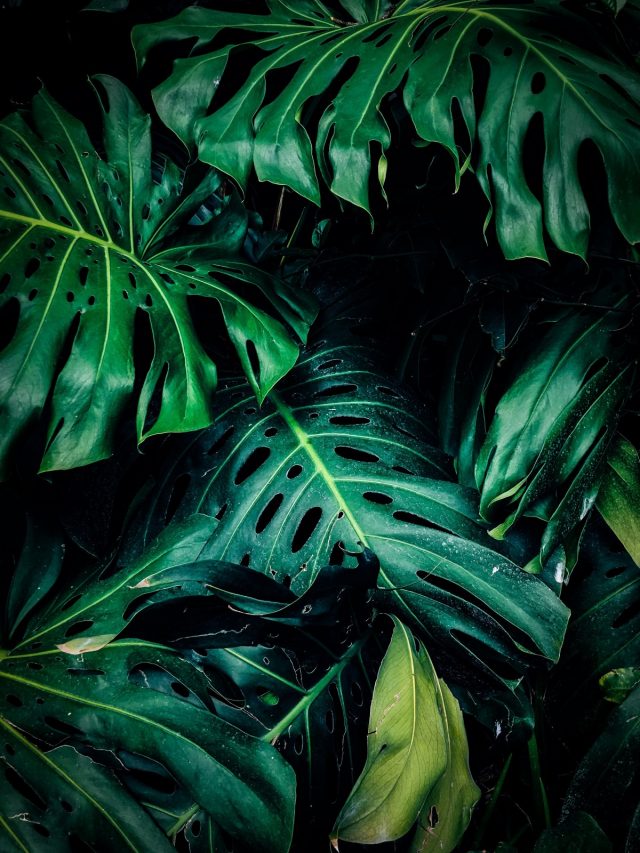
How To Care for The Monstera Delicious Plant

0

One of the most unknown plants in Spain, but more aesthetic and more beautiful (aesthetically speaking) is the famous plant called either Monstera deliciosa or as it is commonly known, Adam’s flower or Adam’s rib.

How To Care For The Monstera Delicious Plant

A priori, it is a striking plant. Not because of its color, which in fact, does not have colorful flowers… It’s green. But with a bearing, a size, a power and a green hue … What makes this plant, beautiful.

For its color, for its size (later we will talk in more detail, but it can walk with a size between small and huge), with a bearing that makes it elegant, modern, without going out of style, beautiful, that sticks both in any room and to give to any age.

Although it is a resistant plant that supports inclement weather quite well and is quite resistant, it is true that care must be taken because needing, needs specific care.

Instructions for caring for the Monstera deliciosa plant

  1. The delicious Monstera or as we have already said, Adam’s rib, are plants that are characterized by their aesthetics. They are easily recognizable, by the shape of their leaves.
  2. They are plants, which have huge leaves (rather large until they can become quite large) and with a characteristic shape (see the photographs).
  3. It is a plant that, as a characteristic apart from its large and majestic leaves, also prevails and draws attention to its color. It has a green color, perfect.
  4. The shape it has is said to look quite similar to the rib, hence the name given to Adam’s rib.
  5. Adam’s rib or Monstera Deliciosa is a plant that many people, even if they do not know it, is a plant that is climbing. What does this mean? That it is a plant that can climb the fence, that you can place sticks or climbers (which are posts / sticks) that help to entangle the plant in the sticks and thus the plant, will climb to your liking.
  6. The stems of the plant are not extremely robust or rigid, so they can be handled and are malleable. Be careful, they are not extremely flexible either… So, you have to be careful. If the stem breaks, the leaf will consequently break because it cannot be planted or replanted.
  7. That said, we must bear in mind that the plant, as it grows or, if it is large, as it has leaves that are huge, will begin to bend and will be overcome. To remedy it, we must try to erect it. It is what we told you, the best way, is to try to climb it or, place the poles so that it endures and / or climbs. Otherwise, it will begin to expire, fall, the leaves will go to the ground and in the end the plant will look lifeless, without looking as it should and will appear to be horrendous.
  8. As for care, many are those who complain that Adam’s rib dies … It shouldn’t be like this, unless you don’t pay proper attention to it. In fact, it is a rather grateful plant. If you give her the minimum she needs, you will see her look beautiful, beautiful, with vigor, wearing those beautiful huge green leaves.
  9. If you are going to plant it outdoors, in the garden, you have to take into account the type of light, heat and humidity / irrigation. It is not the same that you have the plant inside the home than that you do it outdoors. In both cases, it adapts perfectly and can live without problems.
  10. If you decide to do it outdoors, you will have to take into account certain requirements. For example, the most vital and important, light. The luminosity is necessary for you to live well but you should not give the sun directly and for many hours. If you place it in full sun, with a lot of direct sun, it will end up burning and the leaves will begin to burn and spoil. Therefore, keep in mind that it does need light but it should not be direct.
  11. Do not go to place it in an area where the delicious Monstera does not receive light, because it will begin to wane, it will not grow vigorously, the leaves will begin to spoil, remaining small, without stretching, it will not grow and yellow. Therefore, luminosity is very necessary.
  12. It is vitally important that both irrigation and lighting are really in place at their time. As for light, we already discussed in broad strokes the basics and vital. But going into more detail, you need to try to “copy” it’s true habitat. You have to think with your head. With trick. For example, think, the Adam’s plant is tropical, right? Well, then, for it to survive well, it needs a similar environment. That said, you have to try to copy it.
  13. A tropical environment think as it is. Nothing to do with the Mediterranean or very dry environments. In fact, quite the opposite… In the tropics, what abounds, above all, is humidity. A sticky environment. Therefore, the risk, beware. Not much water. Nothing to pour water and stagnate. If this is done (a very common mistake) the water can stagnate and, therefore, the plant will rot and die. This must be avoided.
  14. It needs water, but moderate (do not forget) that does not stagnate. Better to spray the leaves but that the water does not always fall directly. If it can be somewhat sheltered, better. If direct water begins to fall, you will begin to notice that the leaves are damaged, burned and in the end, the plant will drown.
  15. Or even, in terms of lighting. Light must be present, but it must be sifted. It cannot be direct because its leaves will burn. If we think of the rainforest and try to make it in its “zone”, we must know that there are always trees, plants … sheltered areas. Therefore, you can be in the garden if you want, but the sun, as long as it does not hit you at all hours directly. In the interiors of the home, it can also be, but that gives the sun, always, in a sifted way.
  16. If you place it inside the house you have to take into account, that you have to avoid above all, heating (heat), air conditioning (drafts are your worst enemy), do not dry out because it dies (as with an excess of water). To do this, the trick, go vaporizing the leaves so that the plant and its leaves are hydrated.

What do you need to take care of the delicious Monstera plant?

  • A good land.
  • Have subtract.
  • Moderate watering. It should NOT be excessive or daily so that it does not rot.
  • Vaporize its leaves so that it is hydrated.
  • It must have light, but in an indirect way.

Tips for caring for the Monstera deliciosa plant

The delicious monstera plant or Adam’s rib (which is how it is more popularly known), is a plant that is not entirely complicated to maintain. A plant even suitable for these reasons, for people who are beginners or who are not too good at taking care of plants or flowers. The typical ones, which die the most common flowers or even the cacti.

How To Care for The Lawn

0

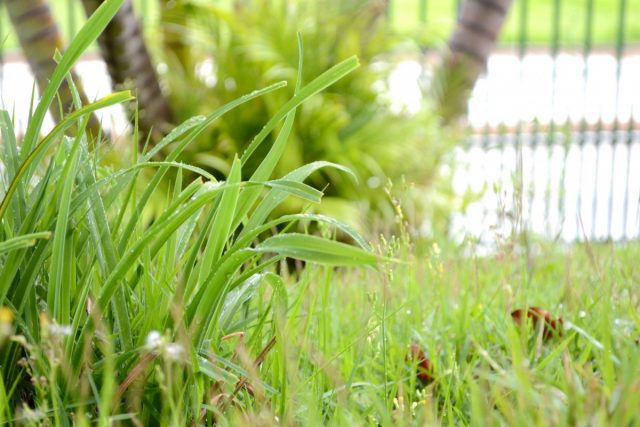
If there is a key season to show off the gardens, that is summer (along with spring) for its good weather, because it is when generally, more is used, enjoyed … Therefore, it is not strange to see many people in these times, buy products and take care of the lawn.

How To Care For The Lawn

But maintenance is just as important as knowing from the beginning, what type of grass to use. Because it is not the same, a lawn that supports the footsteps well and is suffered, to another, that is of simple decoration. Or a type of cut, higher, shorter, more delicate, green throughout the year, etc.

It is a big mistake, not taking all these things into account before planting it and planting and although it seems a lie, the most common failures.

Lawn Care Instructions

  1. It is necessary to have very clear premises before planting the lawn in the garden. Once for example already known the place, it will be necessary to take into account the following: the lawn must have a good soil, a good fertilizer, light and a correct irrigation.
  2. If all this is taken into account and done well, you should not have a major problem for you to have a nice lawn in your garden, very green and splendid.
  3. The grass is capricious and although it seems that being grass you can always have leafy and green; you do not have to trust. Not so. The grass is delicate and only if you take into account the basics (already mentioned) you can have it all year round and maintain it without the biggest problem.
  4. As for irrigation: irrigation is basic for lawns. As for any plant, flower and for a good maintenance of any garden alive. Therefore, it must be taken into account, above all, at what time of year they are. Be very careful because of course, it will not be the same in winter as in the summer.
  5. In winter, watering should be about twice a month. If it rains more often or you are in places where it rains daily, then you should take it into account and not water it. If it has too much water it will spoil because it will begin to flood and consequently, it will rot.
  6. In spring: the most frequent is to water it one day if and another no. But beware, it is in broad strokes. If it is a spring where it rains a lot, you should look at the state of the grass and its soil. If it is wet, do not water it. Wait until it is at a medium point to hydrate it.
  7. In summer: it is normal to water it daily. Of course, the heat wreaks havoc. So, check that it is wet enough not to dry out, burn and die.
  8. In autumn: in this season you must control the weather. If it rains a lot, you will not need a gift. But if not, try to do it a couple of times a week. It will always depend on where you live. If you are in humid, warm areas…
  9. The fertilizer as we mentioned is also very important. Maybe you think it is not, but you have noticed or seen, some gardens where the grass is irregular, have been burned and this yellow or brown, which has bald spots, no grass, etc. All this can be given, among other things, to fertilizer. It is important that they do not tell you otherwise. And it is not so complex or complicated to take care of. If you take it into account, the difference in the appearance of your lawn, you will see that it is abysmal.
  10. The ideal thing would be that you could know in advance, what type of soil you have and what water. Is it calcareous? is it acidic? etc. Very important to be able to administer the right fertilizer and not throw more vitamins than they should (or less).
  11. Knowing this, it is normal to look at what grass you have placed / sown and know what specific needs you need. More nitrogen, less, more or less aeration, control acidity, hydrogen, carbon, air, etc. But don’t worry, let’s make it easier.
  12. Suppose we don’t know any of the above data… then, the ideal would be at least to calculate this: Analyze the pH of the soil. It will vary and will need some care or others if it is alkaline or acidic. If it is alkaline, you should know that it will be a pH called high and if it is a low pH, it will be an acidic soil. To give you an idea, the proper and correct pH should be between 5.5 and no more than 8.
  13. As for fertilizers you will find them in two formats: in liquid and in granulated format. Keep in mind that there are also fast and slow action. Look at the one that interests you most.
  14. Liquid fertilizers are usually always fast-acting. Each brand will indicate how to administer it, but almost all are mixed with water and in this way while watering the lawn, it is being fertilized. Of course, this is fast and saves you a lot of work and being aware but also, being fast action, you need to repeat it more regularly. How much? Usually, two months or once a month.
  15. As a trick we can tell you, that everything is ingenuity. Many gardens when it comes to adding fertilizer (think of the dimensions of each garden that can be huge) the fertilizer is poured directly into the hoses or thick areas. In this way, you do not leave any area untreated or spend so much time doing so.
  16. Fertilizers that are granulated: these either buy a device to throw the granules or throw them directly, by hand. Of course, you have to take into account where you are throwing them so as not to leave areas without paying or paying too much. After adding the fertilizer to granules, you have to water it (you lose more time) but it is essential to do it so that it mixes well with the earth.
  17. The cut is another of the most important factors. You have to cut it when it touches, not more than the account or let it grow as if it were weeds. The season of the year always influences so that it grows more or less and therefore, cut it more or less often.
  18. You will need to cut it a lawn mower. You can find them cable (electric), gasoline or manual. None is a priori better than another, they all work for the same thing, mowing the lawn, but choosing the right one will only depend on what you want to spend on the mower.
  19. When you have the mower keep in mind in which area you plant it and / or you have it and it will depend on it, if you cut it more or less high.
  20. If you have the grass in areas to decorate and you do not step on it or it is transit, you can leave it up to two centimeters. On the other hand, for the one that is transit, it is usually left a little longer between three and four centimeters.
  21. Do not forget either, that no matter how good the mower is, you must also control aspects such as the height of the cut of the blades and also, that the blades are well sharpened. If they are not sharp, the cut will start to be uneven or the machine will heat up more than it should because you will use it longer.

What do you need to take care of the lawn?

  • A lawn mower. It can be manual, electric or gasoline.
  • Fertilizers. You can use them liquids or granules. Slow and/or fast acting.
  • Water frequently. Always respecting the season of the right year because you may need more or less water.

Tips for caring for the lawn

The lawn, in short, is beautiful and leaves any garden beautiful. It is not very expensive to maintain or plant. But you have to know the basics so that it stays perfect.

Do not forget about irrigation, good fertilizer, soil and proper cutting. If this is maintained, you will always have a beautiful lawn and it will last you a long time.

How To Care for Carnivorous Plants

0

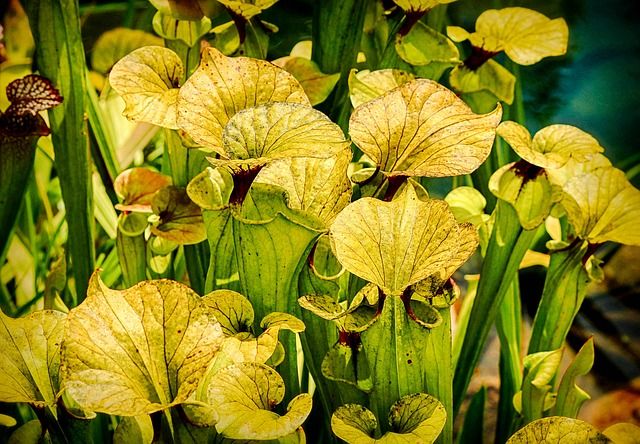
Carnivorous plants are those that feed on various insects that fall into any of their parts, willing to fight to keep them, since they are experts in attracting attention either in color, aroma or perhaps beauty for this we tell you how to care for a carnivorous plant.

How To Care For Carnivorous Plants

Believe it or not, they should be careful since they are delicate, there are also some species of this genus that are aquatic and need to be in water ponds or fountains in gardens, and they are also beautiful and striking.

They are exotic because they look like plants from paradise, they also offer the eyes a fascination that comes from being plants that are characterized by feeling a fairly timely stimulus in any of their filaments, which becomes their usual food which are insects.

In the wild, it pays to have a plant of this species as long as you know how to care for them so that you can always keep them with their beauty and radiance, so enter this fascinating world of predation, beauty and killer carnivorous plants.

What do you need to take care of carnivorous plants?

  • Care.
  • Cultivation.
  • Type of soil.
  • Water.
  • Pond.
  • Garden.
  • Natural environment.
  • Morphology of carnivorous plants.
  • Power over insects.
  • Large predators.
  • Knowledge.
  • Cultivation of plants.

Instructions for caring for carnivorous plants

Carnivorous plants are the ideal, a wonder and a feast for those who like to collect exotic plants and all species, since they are so beautiful and unique that anyone who has any of them will stand out from the rest of the people who see them as something extravagant.

Planting carnivorous vegetation is quite complicated, as they are very complicated plants. It is also necessary to take care of them depending on the type of crop, since their danger and toxicity is also related to the type of soil where it is planted. You can have it on water soil or on land.

Some are difficult to adapt in the domestic environment, so it is necessary to take into consideration the possibility of keeping them in their natural habitat to avoid losing their essence and being able to feed without problems.

Growing carnivorous plants

  1. Knowledge of the plant. It is necessary to have a deep knowledge of the plant itself, its morphology and how it acts to organize the habitat where you are going to place it if you want to have a specimen of this genus of carnivorous plants because they are very delicate with the climate and soil aspect. Carnivorous plants have many different characteristics from each other and in addition to this they are presented as beings capable of consuming their food to be able to coexist with the rest of the vegetation they have around them, so we must establish which one we want in the garden.
  2. Virtues of carnivorous plants Carnivorous plants offer all the possibility of looking beautiful in nature and home, in addition to the main virtue they can offer you in your environment, is to eliminate bugs or annoying insects that want to kill other vegetation apart from being harmful to your health. They come to be a natural cleaner that you can have in your house bringing elimination of insects is that they are annoying, so always maintain the possibility of a plant of these in the garden, you will see that you will get many benefits with it.
  3. Zero power. Carnivorous plants feed themselves through insects, so their way of processing what is necessary to survive is very different from the others, being necessary to avoid giving supplements or protein foods in order to supply what is necessary to live. This is a common mistake to feed her, because they must hunt for her food. Their instinct must be respected.
  4. You can get intoxicated. The plant of this species can have any type of poisoning if you give it an incorrect diet, for this reason the orientation of not giving it any type of nutrition is evident, since the plant itself can eat when it feels like it and anywhere. It is a difference that can focus the success of growing a plant of this species, apart from important aspects such as the type of climate it needs, the soil, the soil or the fertilizer that you can place in addition to the exact place where it can provide itself with food.
  5. The terrain. The land where you are going to plant your carnivore must have specifications and defined components, special for it alone, as an example we can start by telling you to stay in the center of the other plants, but without having much vegetation around. They must acclimatize to the environment where you are going to place it, mainly in a special pot that contains a lot of moss, so that they keep the entire surface where your exotic carnivorous plant is located, if you wish, ask in a specialized store for the type of substrate to use.
  6. Soil quality. Carnivorous plants are difficult to grow because they require a very specific type of substrate. The substrate that is usually used for ordinary plants does not serve in this case, and can even be toxic to them. The most important thing is not the fertilizer, the land or the same water for your subsistence, it is best to attend to the necessary moss in the pot that can provide you with what is necessary much more to your nutrition, being negative the use of any other way to plant them.
  7. The necessary sun and light. Carnivorous plants do not need much to survive, so it is important that they are in an ideal environment, nutrients are not necessary and the land is poor, but sunlight should reach them although not directly for their colors.
  8. It is not a conventional plant, so having them as another species, can be negative for their life although, if necessary, you must provide a place with a swampy appearance for their development, since their origins come from ligars that offer an ecosystem in this way.
  9. Humidity. Moisture for the carnivorous plant should be a first necessity, since they come from tropical countries or where most of the time you have a dry and hot climate, but constantly demanding the possibility of staying cool. Therefore, it is necessary to give them this through the dew of a little water or simply water with sporadic weather, so that it maintains its natural moisture and can always stay alive, fresh and full of its mystical and exotic beauty at the same time.
  10. In addition, another thing that can help keep it always fresh is the soil, placing a container full of perennial water at the bottom, which maintains the humidity of the place or pot where you have planted your beautiful carnivorous plant.
  11. Distilled water. As they come from a swampy environment, carnivorous plants need water that can be rainwater or pure spring water that has not been modified with chemical elements to make it for human consumption, so it has to be from a river or lake that you have near home. Also, during the rainy season, you can take a little of it, which you use so that your carnivorous plant can receive what it needs and not run the risk of withering because it does not provide a different type of water to the purified one full of ions that do it harm.
  12. Drinking water suitable for human consumption has the particularity of being harmful to this type of plants, therefore you should not water them or place the dish full of water at the bottom of the pot as you can contribute to perish, which is not what you want.
  13. The temperature. The temperature is a priority factor for this plant, because if we put it so that it receives direct heat from the sun or rays, we run the risk of burning its leaves, or worse yet that the plant dies withering without a remedy for this. The temperature in the environment or terrarium that you have chosen for your carnivorous plant should be between 20-25 degrees Celsius, so that it always remains beautiful and striking also if it is in a garden make sure it is always fresh.
  14. Some types of carnivorous plants. Carnivorous plants are divided into two fundamental groups which can be those of tropical climate and those of another type of climate, the first being the most difficult and complicated to cultivate, since they are more demanding when planting them. Tropical carnivorous plants have the difficulty of demanding a type of climate of high temperatures in addition to being planted in a special terrarium with which you offer the advantages of comfort, humidity, cool environment despite the heat of the place.
  15. Non-tropical carnivorous plants are less demanding and you can have them in a pot in your garden perhaps requiring the freshness of a pond that provides the moisture that helps it always stay alive and also fresh.

Some ideal carnivorous plants for your home can be:

Drosera

  • Popular name “Dew of the Sun”.
  • It has red filaments that help it catch food.
  • It is composed of a sticky substance.
  • Remains within the range of ornamental plant
  • They can be large in size.
  • They are preserved in temperatures between 12 and 28 degrees Celsius.
  • They must be kept in environments with great luminosity.
  • Always maintain the ideal environment for the type of plant you have.
  • You need to keep your carnivorous plants out of the reach of children or pets.
  • If you are not going to give the best care to this type of plants, it is better not to have them.

Venus’s flytrap

  • By its name, it has the characteristic of catching this type of insects.
  • It should be kept indoors in homes, and in places that are hot such as tropical areas.
  • It should be kept in very bright environments.
  • The place to choose to plant it should be quite large since it can grow very quickly also have many roots.

Nepentes

  • It is characterized by having petals as hanging bags.
  • They are not very water so this part is one of the conditions that make it an ideal plant to grow.
  • The temperature should be between 17-19 degrees Celsius so that it can remain stable.
  • It should always be kept inside the houses
  • You should not let the sun directly touch its leaves.
  • It is necessary that the room where it is of low luminosity.

Tips for caring for carnivorous plants

  • You must keep the most precise indications that help you choose the ideal carnivorous plant for you.
  • Always maintain the ideal environment for the type of plant you have.
  • You need to keep your carnivorous plants out of the reach of children or pets.
  • If you are not going to give the best care to this type of plants, it is better not to have them.

How To Attract Butterflies to My Garden

0

In the animal kingdom, there are species that are highly valued by man and, precisely because of that fact, many of them are in danger of extinction today. For example, the mandrill, polar eyes, lemurs, common chimpanzee, panda bear, tigers, vultures and many more.

How To Attract Butterflies To My Garden

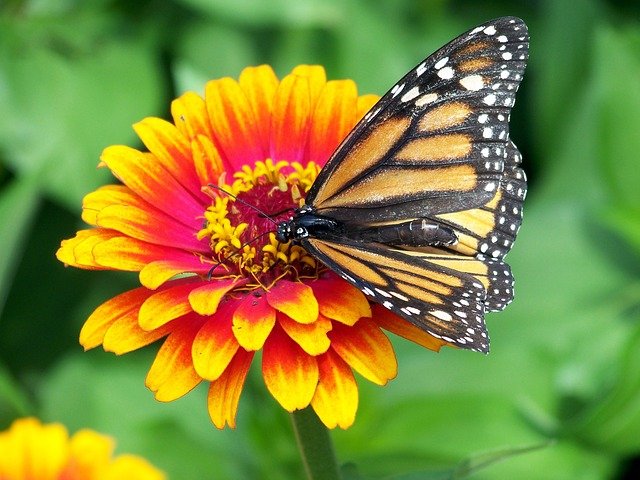
Every year, dozens of animals are in danger of disappearing permanently, one of them, strange as it may seem, is the monarch butterfly. This type of butterfly feeds on milkweed. This is a toxic plant that makes them poisonous to some of their predators.

However, man has been responsible for spreading herbicides, which destroy hundreds of hectares of this food source every year. By running out of food, their chance of survival is exponentially reduced.

Butterflies are fragile animals, but at the same time, very strong. Every year, monarch butterflies make a spectacular migratory journey stretching from Canada and the northern part of the United States to Mexico and California. In this way, they are responsible for covering all the forests with their beautiful colors.

Actually, there is nothing nicer than seeing butterflies in a garden. Not only does it transmit a pleasant feeling of well-being, but it also transmits peace, because it makes us feel closer to nature.

Would you like to see butterflies in your garden more often? Is there a way to attract them? How can you do it? If you find this idea attractive and ingenious, we encourage you to continue reading this short article.

In it you will find everything you need to know to beautify your garden with the presence of these fascinating animals, one of the most valued by all due to their colors, sizes and designs on their wings. Let’s see right now some simple tricks to attract them.

Instructions for attracting butterflies to my garden

If you want to decorate your garden with them or enjoy observing them while you work in it, you must carefully follow the following instructions:

  1. Identify which butterfly species are native to the area where you live. Butterfly species vary greatly in diet, size and migration. By knowing which ones inhabit your community, you can coordinate your efforts to successfully attract them.
  2. Coordinate the colors of your garden. Adult butterflies appreciate vibrant colors, such as red, orange, yellow, pink, and purple. You can plant in your garden varieties of flowers of these colors. Try to have a smooth upper part or be small tubular in shape, as they are preferred by butterflies, such as sunflower.
  3. Plant them in strategic places. In general, the sources of nectar that butterflies usually frequent are where there is a lot of sunlight from morning to mid-afternoon.
  4. Adult butterflies do not like to feed under the shade. Therefore, select different varieties of flowers that have a lot of sunlight and plant them in the places where they reach them best. This way you will see how the butterflies land on them to feed.
  5. Avoid chemicals and insecticides. This includes those that are qualified as ecological, since both butterflies and larvae are very sensitive to their influence. Also, keep an eye out for any silvers you buy at garden centers, as they may have been treated with pesticides or other substances toxic to butterflies and other pollinating insects.

Now that you know some basic instructions for getting butterflies into your garden, what else do you need to know to achieve this?

What do you need to attract butterflies to my garden?

To enjoy the presence of butterflies you will need to do the following:

  • Offer them protection. Butterflies have many natural predators. Therefore, it is vital that you provide them with places where they can hide. These places can be: a small tree, a bush, etc. At the same time, you will make your garden look much more welcoming.
  • Feed them in abundance. Just as humans enjoy certain foods, butterflies also have their particular preferences. Remember that there is no single plant that attracts all types of butterflies.
  • However, you can research which are the preferred plants of the native species of butterfly that inhabits your locality. In this way, they will not be able to resist the temptation and will succumb to it.
  • Install feeders. These are small structures much like those used to feed hummingbirds.
  • They provide nectar and have small grooves that allow them to enter the butterflies to protect themselves from predators and the elements of nature, such as gusts of wind and rain. In addition, they are a very nice decorative object for your garden.
  • Build them an airstrip. You’ve probably noticed the fact that butterflies usually perch on smaller flowers, branches, and twigs. While there, they enjoy the sunlight, although the sun provides orientation and the necessary shelter to their wings so that they can fly.

To build such an airstrip for them, you just have to scatter a few smooth stones throughout your garden. Especially in those areas where you notice that there is more sunlight. These will be excellent places for butterflies to perch and rest from their flight.

If you do these things, you can be sure that you will see butterflies in your garden much more often than before. But what other recommendations should you take into account? Let’s look at a few more.

Tips for attracting butterflies to my garden

Don’t feel self-conscious if you think your garden is too small for butterflies to be in it. There are actually different ways to maximize it. For example, you can place pots of different sizes, colors, textures and materials and plant in them different types of floral and fruit plants.

If you do not have too much floor space, you can also take advantage of the roof of the patio of your house to place your favorite plants in hanging pots. In reality, the possibilities are endless, you just have to let your imagination run wild.

Butterflies need to have food at their disposal from the beginning of spring to the end of summer. It is important to note that many varieties of butterflies will feed on the sugar found inside fruit that has fallen off the tree.

For that reason, the best thing you can do is not pick it up. Pears, apples and rotten berries are among the most popular in the butterfly world.

In general, they have a hard time feeding on those fruits that are still too hard. Therefore, the best thing you can do for them is to leave them on a pile of fertilizer and let it mature enough. Actually, the more mature they are, the better it will be for the butterfly.

Since butterflies can’t exist without caterpillars, you need to support their proliferation by letting your garden get a little out of control around the edges. Since the larvae like to feed on thistles, nettles, mongrel herbs, as well as ivy, you’ll need to allow some less popular wildflowers to grow. Such a sacrifice will make you enjoy a greater number of butterflies.

Remember that the best way to attract butterflies to your garden is by observing your surroundings. Doing this will give you the opportunity to notice if you have plants that are of your preference. You could even plant those that they use to deposit their eggs.

Also, if you become familiar with the butterflies that are in your region, you will be able to know what their habits are and favor their arrival by conserving and helping in their mission to pollinate. You will also be able to determine what their arrival months are to optimize their visit to your garden, which is of great importance for the environment and for society in general.

How Are Hydroponic Gardens

0

Just as there are lovers and defenders of animals, there are also lovers and defenders of plants. Taking care of plants can be a very entertaining hobby. In addition, it is also considered by many experts as a therapeutic practice against depression and anxiety.

How Are Hydroponic Gardens

Gardening tasks also help you cope with stress and deal with day-to-day occupations. In addition, they can be adapted for all types of people, including older adults and children.

In fact, this is an ideal activity for children because it is responsible for instilling values, such as respect for nature, environmental awareness, responsibility, organization, discipline, among others.

Naturally, although there are many gardening practices that are considered traditional, such as watering, pruning, grafting, etc., there are also new techniques that have been implemented in order for plants to grow healthy and strong.

There are also different types of gardens, which adapt to the needs and circumstances of people, such as those who have little space, those who live in an apartment, those who do not have much time to maintain them, for the most dreamers and even for those who have a modern and futuristic vision.

At this point, we find the hydroponic gardens. Have you ever heard of them? Probably not, until now. This is a technique of agriculture that has been transported to the gardens and that gives them new airs.

Would you like to know what hydroponic gardens are like? More importantly, would you like to have one at home? If the answer is yes, then you are in the right place. In this post I will let you know everything you need to know about hydroponic gardens so you can have one at home and enjoy its beauty.

Instructions for hydroponic gardens

It is known by the name of hydroponics to a form of agriculture that promotes mineral solutions instead of agricultural soil for the cultivation of plants. Those who support and encourage this practice start from the idea that soil is not essential for the development of plants, as long as it has the appropriate nutrients.

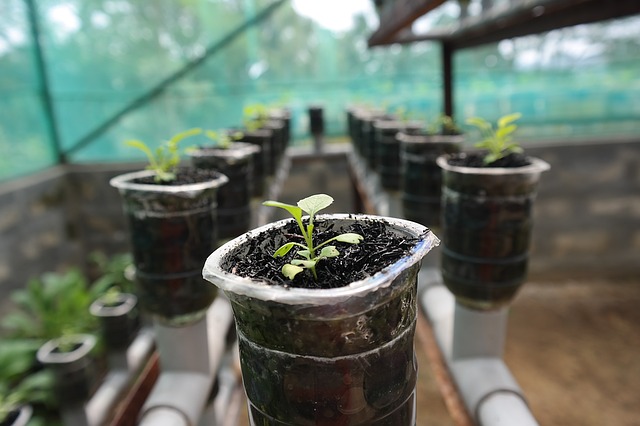
Taking this idea as a foundation, we can say that hydroponic gardens are those that do not have land. In this case, the roots of the plants are fed with a nutrient solution that dissolves in water and has all the chemical elements essential for the plants to grow and develop.

These gardens can be made water-based. However, to support the roots, coconut fiber, gravel, rock wool, pumice or agricultural perlite can also be used. They are common indoors, as they require little space and do not need floor.

This method of planting and cultivation is most popular in areas where there is a shortage of soil for cultivation or where climatic conditions are very adverse. Although it is also used for the cultivation of delicate plants that require a specific type of soil, such as the tobacco plant.

Now, if this type of garden catches your attention and you want to have one at home, what do you need to achieve it?

What do you need for hydroponic gardens?

To have your own hydroponic garden, you need the following:

  • A germination tray or a closed tube for your plants.
  • A source of water that is distributed through this system.
  • A light source, either natural or artificial.
  • Containers with concentrated nutrients.
  • Some irrigation heads.
  • Channels to deposit the substrate.
  • The plants you want to grow.
  • The ducts to apply irrigation with fertilizer.

Now, the first thing you should do is place a bed of gravel or stone on a tray, taking into account that the depth should allow the roots to be supported.

The next step will be to cover it with a layer of coconut fiber or some other similar substance that lacks nutrients. It opens some channels so that the seeds can germinate successfully inside. Then, water the tray so that it has enough moisture.

The tray should be located in a place where it receives light and heat at least 6 hours a day. In case you want to locate it outside, you must make sure it is a place where it is protected from the wind, torrential rains and cold.

These are some of the most basic suggestions to put have a hydroponic garden either inside or outside the house. But what else should you know about it? Let’s look at it right now.

Tips for hydroponic gardens

In addition to the options, I’ve given you so far, you can also locate your hydroponic garden inside a greenhouse. In this case, the best thing you can do is make sure that the temperature, both of the environment and the substrate, does not exceed 18 ºC.

With regard to irrigation, the most recommended system is the one that is produced by micro sprinkler or by means of nebulizers, in order to have the amount of water necessary for the plant to continue living.

Some of the plants that you can grow in this type of system are: tomato, cucumber, cabbage, pepper, lettuce and spinach. However, it is also possible to grow in it plants that are ornamental.

Some of the drawbacks of hydroponics are as follows:

  • Under this system the roots of plants are not oxygenated properly and, therefore, it becomes necessary to constantly regulate the pH of water and nutrients.
  • When starting this type of system, it will be necessary to make a high initial investment, since you have to buy important materials, such as pipes, containers, substrates, etc.
  • It requires a lot of particular attention and details for crops to thrive successfully.
  • As it is a little-used technique, there are very few people who are knowledgeable about the subject and, those who master it, usually charge their services at a very high price.

However, despite this, if you want to have a hydroponic garden in your home there will be nothing that prevents you from doing so. You already have the necessary information.

How And When to Sow Radishes

0

Radish has various beneficial properties for our health. It acts very well as an aid to maintain the proper functioning of the liver, controls blood pressure and helps cleanse the kidneys and urinary tract. As nutritional information, it contains a very low amount of fat, with 0.1 grams per 100. In addition, it is a good source of fiber, antioxidants, vitamins C, B and K and minerals such as sodium, phosphorus or magnesium, among others. In we will teach you how and when to plant radishes.

How And When To Sow Radishes

Native in its day to Eurasia and the eastern Mediterranean, the radish or turnip is a plant known to all. Belonging to the genus Raphanus within the Brassicaceae family, it is cultivated around the world for its edible root, which can be white, red or black.

Because of its slightly spicy flavor and crunchy texture, you can use radish in an infinite number of ways. From sautéed or roasted, like almost all vegetables, to stewed or in the form of chips and even as a sauce.

Due to its short growing cycle and the little space, it requires, it is one of the simplest options for gardening enthusiasts. That growing cycle varies between 3 and 6 weeks, depending on the variety of radish we choose. If you are interested in knowing how and when to plant radishes, we explain it step by step later. Thus, you can get them grown even in your own home or garden.

What do you need for and when to plant radishes?

To sow and grow radishes, you will need the following elements:

  • Earth.
  • Water.
  • Radish seeds.

Instructions for and when to sow radishes

As we explained earlier, radish is a plant with few needs in terms of space. You will need the soil to have a minimum depth of 10 cm. This should be a nourished and well-drained soil, like the soil of any orchard. The universal substrate is also valid, which you can find in an infinity of stores. Radishes can be sown during almost any time of the year, although the most suitable are usually spring and autumn.

Planting

First, make furrows in the soil where you are going to sow the radishes, 1 to 1.5 centimeters deep and separated by 8 to 12 centimeters between them. Then place seeds inside the furrows, each one separating about 5 centimeters. Cover them with soil or substrate and water them so that the soil stays moist.

Care

Radish plants will start around 10 days after planting, reaching the optimal state for harvest between 3 and 6 weeks after planting.

Make sure that the soil is always moist, but without watering it excessively. If you don’t water the plants enough, then your radishes will taste spicier. On the contrary, if you water them too much, you can cause disease, rot or the radish to break. In addition to humidity, it will be important that your plants receive a regular amount of sunlight, at least 4 hours a day.

In addition to irrigation, you should take into account pests (especially aphids and larvae) and weeds, checking these aspects about twice a week. The most common pests and diseases are:

  • Cabbage caterpillar: normally, removing them from the leaves is enough.
  • Snail: the best method to remove it is also usually the manual.
  • Aphid: a good (and ecological) remedy is to spray a mixture of water and biodegradable soap on the leaves.
  • Downy mildew: it is a fungus that produces yellowish spots on the leaves of the plant, which turn brown and finally dry. A natural remedy can be to spray on the leaves an infusion of garlic (50 grams of garlic in a liter of water) diluted in one part for every 4 of water. It should be applied in full sun and for several days in a row.

The harvest

To know if your radishes are ready, you will have to remove some soil from around the plant and check its size. About 2-2.5 centimeters in diameter is the most optimal to be harvested. To do this, you must pull the radish upwards, holding it by the bottom of its leaves. If the ground is too compressed, you can help yourself with a small shovel. Once your radishes are harvested, you will have to wash them with water to remove the excess soil, and they will be ready for consumption.

Tips for and when to sow radishes

  • If you repeat planting every 15 days, but planting only a few plants, you will have fresh radishes throughout the season.
  • It is advisable that you consume your radishes in the 15 days after their harvest, with the aim that they still retain their flavor and texture.
  • Freshly harvested radishes and smaller ones have a less pungent taste and contain more nutrients.
  • There are more than 50 varieties of radishes. Try their different flavors and sizes in the infinity of recipes in which they are included.

How And When to Sow Onion

0

One of the most exciting vegetables on the market is onions. This white bulb makes you cry and causes itchy eyes when cut, while preparing the salad. However, it has become one of the best accompaniments for multiple dishes of the gastronomy of any European country, and even worldwide. It can also be used to give a different touch to some dishes.

How And When To Sow Onion

What is onion and when to sow it?

The onion is an underground, edible bulb that grows in onion plantations. This type of vegetable has Asian origin and began to be planted back in 6000 BC. It is one of the oldest known crops in history, starting in Iran or Pakistan. The commercial networks of Asia brought it to Europe, from where it was transferred to America, when the European colonizers decided to cross the pond. Today there is a multiple variety of onions with the possibility of classification according to the bulb, size, use and origin. It can have medicinal uses, and can be consumed both raw and cooked.

It is usually consumed preferably as a condiment for different types of food, fried, boiled or grilled. For many people, the taste of onion is too strong, and for this reason, you never consume it. However, if you let it macerate in lemon juice you will get a milder flavor. The raw onion is one that leaves bad breath, something that causes many people to show rejection. With a couple of coffee beans, you can solve the bad breath that may be suffered. If, on the other hand, you want to avoid crying when peeling onions and suffering from itchy eyes, it will also be enough to leave them in the freezer fifteen minutes before using them. Undoubtedly, some useful tips to enjoy onions more and take advantage of the benefits that will be described below.

When buying onions one of the great tips is that they are round and firm and without wrinkles in the first layer of the skin, since they are two qualities that meet those vegetables of better quality. In addition, if at the time of buying them, we observe green shoots it is better not to buy them for consumption since it is usually a sign that their best moment has already passed.

Benefits of eating onion

Eating onions has multiple benefits for the human body, nutritionally and as a prevention of diseases. The most prominent are the following:

  • It favors digestion and its functioning. If consumed raw it is a good digestive stimulant and tonic for the liver. On the other hand, if we do it in a cooked way, it manages to relieve the possible symptoms of decomposition and clean the stomach.
  • Prevents common diseases. In cold weather, as usually happens in winter, it is ideal for the prevention of common diseases such as any type of cold. Even in liquid format, onion juice is also a good option to end a sore throat.
  • Fight against tuberculosis. It is effective in fighting tuberculosis, and multiple diseases such as gout, or simply to help improve fluid retention. Another of its qualities is to be able to combat high cholesterol levels.
  • Provides energy. The onion has detoxifying effects, which provides energy and is useful to combat possible fatigue. In addition, it also favors blood circulation allowing to increase the quality of life of people.

Onion soup is another variable offered by this type of vegetable, and is used in multiple types of diet. In fact, its properties satisfy hunger and favor those people who have set the goal of losing a few kilos.

How to sow onion

  • For centuries, onions have been planted and, therefore, each one has its technique to achieve the best possible harvest. In just 4 months you can be reaping the fruits of good work. To be able to collect many onions, it is necessary to have good and rich soils to be able to develop. By this type of soil, loamy and sandy soils are understood and not clay or sand type soils. This type of vegetable, in particular, loves phosphorus and potassium very much and instead hates when there is too much nitrogen. In addition, it is recommended to use a strong layer of mature compost in the place where it is going to be planted, both in the garden or in the planters. The most recommended Ph for carrying out the planting of onions is six. As stated above, the best times to plant onions are in spring, summer and winter. However, depending on the time of year we choose to carry out germination, one procedure or another will be used. It will be a good option to choose spring if you then have a cool and humid summer and do not have how to store onions. The same procedure is used as in summer, but differs by lightening 10 centimeters between one and the other when the plant reaches about 10 centimeters.
  • On the other hand, if we sow at the end of summer, we must place the seeds with a lot of space between them. Next, they will be covered using 1.5 centimeters of compost and then the ground will be tightened well. In case of frost throughout the winter, we will use tunnels to protect the harvest. When spring arrives, on the other hand, it should begin to lighten with a distance between one and another of approximately 15 centimeters. They can be consumed, in fact, directly as a salad. If you decide to sow in winter, it will be better to do it inside the house in seedlings. The idea will be to prepare the onions to be transplanted in spring once the soil or the pots are ready on the outside. In spring, in addition, there is also the option of sowing in the form of bulbs. Along a line, 15 centimeters holes are made. In each hole, we will introduce a bulb and the surrounding soil will be tightened so that it is firm to be harvested. In the time of formation of bulbs, in addition, onions prefer to be exposed to the sun to achieve better growth. However, at the irrigation level, this type of vegetable needs little water to survive and carry out its life cycle. In fact, except for its growth period (when the bulb is formed as the vegetative stage), the amount of water is low. 20 days before the expected date for harvest it is recommended to stop watering them.
  • When the vertices of the leaves of the onions begin to turn yellow, it will be the signal that it is time to twist and break their necks. From here, the process of ripening the onion will begin. With a fork we will lift the bulbs of the vegetables and the drying process will begin. When it is well dried, we will aerate them leaving them out of option to end up frosty. To enjoy the onions to the fullest, it is very important that there are pounds of weeds or weeds, that the possible flowers that can grow are cut and, above all, that they are free of any type of moisture that can spoil the harvest.

How And When to Plant Watermelons

0

One of the fruits preferred by the vast majority of people, especially in summer. Known in many ways around the world from watermelon or melon de ague, to synedria and sideburn. The truth is that many want to learn about how and when to plant watermelons, for the countless benefits that watermelon contains.

How And When To Plant Watermelons

Characterized by its large size and enjoyed as one of the favorite tropical fruits. The watermelon has an antiquity of 4000 years, getting different types around the world. They vary in dimensions, flavors and even shapes, depending on the area in which they are located. Although, regardless of this, it is still delicious and a refreshing snack for those who consume it.

Precisely because they want to enjoy this flavor frequently, many people are curious to make their own crops of this fruit. Because of its large size it may seem intimidating to harvest, but the truth is that it is not such a complicated task.

What do you need for and when to plant Watermelons?

  • Plenty of space
  • Watermelon seeds
  • Patience and detail
  • Droppers
  • Attention and detail

Instructions for and when to plant watermelons

  1. It is best to wait for spring. You’ve already taken the initiative to harvest some watermelons in your garden, but you don’t know where to start. The idea is to be able to enjoy the benefits of this fruit in the summer, so the beginning of spring will be the perfect time.
  2. This is really a fruit that resists or adapts to any type of climate, especially if you pay enough attention or care. But the ideal time for harvesting is when the temperature is between 18 and 24 degrees Celsius. Precisely in search of this temper is that it is recommended that it be at the beginning of spring.
  3. Although if spring is far away and you do not want to wait so long you can look for other options. For this you must adapt the space and conditions so that the harvest can live. The idea is that they have enough freshness and warmth at the same time, looking for a balance so that they can survive.
  4. You should also remember that before thinking about planting them you have to consider the space they occupy. Look for a place where about 5 of these trees can germinate, considering that the space is small. Also take into account the variety of watermelons that exist, since some grow more than others.
  5. Get the seeds and plant them. Seeds is one of the easiest steps to sow watermelons. This is because you can use those of a fruit that you have consumed later or buy them where they sell this type of products. The best thing is that they are as natural as possible, so sit down to consume a little of it beforehand.
  6. An important step is that the watermelon from which the seeds have been taken is as ripe as possible. You should also keep in mind that not all the specimens you use will be formidable. It is best to sow several samples, so that you do not run out of culture later, in case some do not come out properly.
  7. Care when watering them. After the seeds are immersed in the soil, it is time to water them. Like any fruit this plant needs water to survive, but the amounts will not be exaggerated compared to other species. The idea is that as it grows it will strengthen and change the irrigation periods according to its needs.
  8. The most important thing to know, in terms of irrigation, is that it is done by drip. This means that the water they need is minimal and you have to be careful with it. If this is not controlled in the proper way it can damage the leaves or even the entire plant. In fact, it is important that the liquid does not touch the leaves or dry them manually in case it occurs.
  9. For this last reason it is also essential to take into account the drainage of the land where it is planted. The idea is that the water does not accumulate in one place, that is, that they filter easily until they completely cover their roots.
  10. This process must be repeated daily, in principle, but taking care of the amount of liquid used. When the plant gets a few centimeters in size, watering will be reduced to every three days, as long as it does not dry completely.
  11. Attention in cleaning. Cleanliness is also essential to keep this plant alive for a long time. You should pay attention daily to what is around its stem, trying to eliminate weeds or other foreign agents.
  12. Another fundamental part is that you eliminate those parts, such as leaves or branches, that do not have enough vitality. This is to prevent the rest of the plant from drying out or dying suddenly, solving the problem from the moment it starts.
  13. Beware of pests. There are many animals that can ruin your watermelon planting in a short time. The idea is that you recognize and eliminate them in short periods, so that they do not affect the harvest. They can be easily noticed on the leaves of the plant or around it.
  14. Aphids, spider mites and thrips are among the most common pests that attack watermelon crops. Some of them are so dangerous that they can disappear in a short time the plants, causing them to die quickly. Others affect both the fruits and the branches, especially noticeable in the health of the vegetable.
  15. Other insects to pay attention to are whiteflies, powdery mildew, nematodes and stem chancre. But for all there are quite efficient treatments, if used in time. There are even natural remedies, such as horsetail, that help neutralize them saving much of the harvest.
  16. Let’s harvest. It will be about 4 months before you can enjoy the first fruits of this plant. Remember that to harvest watermelons you must keep in mind that they produce a hollow sound when lightly hit.
  17. Another sign that indicates that the fruits can already be removed is that the leaf that is attached to it dries. Finally, if the skin separates easily when grated with your nails, it will be a definitive sign that you can harvest them. The idea is that you continue to take care of the plants to be able to enjoy these harvests later.

Tips for and when to plant watermelons

  • Something we recommend is that you have your harvest outdoors since the help of insects such as bees is essential for the pollination of the fruits. If you are not in open places, this procedure must be done manually, with prior instructions.
  • Remember that each plant usually bears an average of 5 fruits per harvest, so it is vital that they have enough space to develop. The idea is to get large and healthy watermelons, in this way you can take advantage of all the benefits that this fruit offers to the body. Best of all, you will have them in your own home and that with good care they last over time.

How And When to Plant Swiss Chard

0

There are plants that provide different nutrients to the daily diet of each person, for this reason they should not be missing in some gardens. Swiss chard is a vegetable with different properties and nutrients beneficial to health. This is reason enough to learn how and when it should be planted.

How And When To Plant Swiss Chard

Actually, chard is a vegetable that has a history coming from the Mediterranean. Its antiquity dates even from before Christ, where its leaves were used both for meals or medicinally. Its legacy is also part of the reasons why you can learn about its cultivation.

From salads to the finest dishes use chard as one of its ingredients, to give it an indisputable flavor. This accompanied by its vitamins (such as C) and minerals (such as calcium, potassium and sodium) make it a favorite in many preparations. In addition, well refrigerated can stay fresh for a long time, retaining each of its properties.

What do you need for and when to plant chard?

  • Chard seeds or plants
  • Nutrient-rich soil
  • Space
  • Sun and water
  • Tools for working the land: small shovel and remover.

Instructions for and when to plant Swiss chard

  1. Plantation. One of the main advantages of Swiss chard is that it adapts very well to different temperatures, with the exception of sub-zero. For this reason, it can be planted at different times of the year, with summer and autumn being the most ideal.
  2. The idea is to achieve a constant temperature, it can go between 6 degrees Celsius and 33 degrees. What should be avoided is that it changes constantly, because the plant must get used to a temperate environment. If there are many variations in the surrounding climate there may be a risk that it will not develop properly.
  3. Another part that you should consider when sowing is that it can be done both from the seed (soaking it previously for two or three days) and from a previous germination (seedling) small. The most common is that the first method is used, keeping track of the spaces left between each floor.
  4. A lot of space on earth. Swiss chard can be planted both directly in the ground, as well as pots or seedlings. The main thing when doing so is the space of depth that you have to establish your roots, since they grow to a large extent.
  5. For its good development it is necessary to try to leave spaces between each plant of between 15 and 30 centimeters in length, depending on the place. It is also vital that they are not placed near other vegetables, because they tend to affect their growth in search of a greater coverage area.
  6. The soil to plant chard must provide different nutrients since this plant knows how to take advantage of them for its good progress. The pH of the soil must be close to 6.5 to maintain vitality and each seed can germinate in several plants, of which the one that is in better condition will be used.
  7. The sun is important. For Swiss chard the best is sunlight. You have to know how to take advantage of this faculty since in this way they develop with better health. Likewise, its growth is highly favored thanks to the rays that this star emits.
  8. This vegetable can also develop in shaded areas, as long as there is not a large amount of cold. But ultimately what mostly suits them is the abundant sun.
  9. Don’t forget the water. The best way for this plant to absorb nutrients from the soil to a large extent is through water. The drainage of it is essential since, as mentioned above, its roots grow in lengths of up to 90 centimeters. For this reason, it is best to get the liquid to spread completely through them.
  10. The soil must be constantly moist, but without saturation. For this, the earth must be raked on different occasions so that water can flow through it. Watering should be done once a day, measuring the amount of water so as not to overflow the plant.
  11. It is also necessary to take into account the climate that surrounds the chard, since the amount of water can vary depending on the heat in the environment. If the temperature is not very high with two or three times a week will be enough to motivate your life and development.
  12. It is very resistant. As a fifth step, when learning how and when to plant chard, is to take into account its resistance. It does not need great or detailed care since it can survive elements such as pests or diseases.
  13. Keep in mind. Despite its resistance, it must be borne in mind that it cannot be neglected. The first thing is to eliminate weeds, which come out around the plant, for a long time. This care is reduced as the chard grows stronger.
  14. You also have to be careful with the appearance of slugs or snails since these animals can completely destroy the crop in a very short time. To prevent these pests, you can place different traps, as well as repellents. There are also other insects such as aphids, flies, or spider mites that can represent a nightmare if they are not detected and eliminated in time.
  15. To strengthen their care, you can also consider the use of fertilizer with plenty of nitrogen. This product will help avoid diseases such as leaf spot, one of the most common in this type of vegetables despite its resistance.
  16. Stem and leaves. Finally, the last step to sow chard successfully is its cultivation. Its collection will begin after 60 days from its planting and will depend on the size of the plant. After this they can be collected in periods of fifteen days, approximately.
  17. It should be remembered that this plant does not have precise fruits, so its leaves and stems are used for consumption. The idea is to observe when the leaves have a size of about 18 or 20 centimeters and from there collect them. To do this, you have to pluck the leaves that are in the outermost part of the plant, taking care not to touch those closest to the center since from there they continue with their growth.
  18. Finally, after harvesting, they can be washed and stored, trying to remove excess moisture. Its duration will be very varied, depending on the refrigeration, but they can reach up to ten days.

Tips for and when to plant Swiss chard

Keep in mind as a last tip that chard gets along well with plants such as garlic, lettuce, parsley or cabbage, so you can complement your planting with these plants. Also, for high temperatures it is good to place them with corn or sunflowers that provide shades protecting them naturally from the heat.

Swiss chard is a really noble plant that can be an excellent start for those who are interested in crops. Planting this plant brings many benefits and one of the main ones is to have a quality ingredient for different daily meals.