Home Blog Page 6

How And When to Plant Stevia

0

The stevia plant is one of the best options that people who have health problems, especially diabetics, have. Since it is one of the natural sweeteners that have no calories or chemicals. At present in Spain there are already thousands of plantations of cultivation of this plant of tropical origin but that with certain care is being reproduced throughout Spain and especially in the most temperate climates.

How And When To Plant Stevia

It has properties that are unique to its kind, contain a large number of vitamins and folic acid that strengthens the entire immune system, its cultivation and planting are very simple and having it available at home is a very good idea, since you can save by not buying processed sugar and have better health.

The consumption of processed sugar has brought millions of people sick because of the amount of chemicals added to make it look transparent. Because when they take it out, it starts cooking sugar cane. Its color is dark brown and although processed sugar is obtained from a plant. After this process it is very tasty but very bad for our body.

People who consume a lot of processed sugar increases their glucose level a lot and this makes people feel bad. They gain weight and are overweight, suffer from depression, lose their sight, have tachycardia and may even have a heart attack or stroke. Something that we can avoid with the use and cultivation of stevia.

It should be noted that the use of stevia in confectionery is greater; Its way of using it has been increasing due to its special characteristics and especially for people to improve their health. In Spain and around the world, many people have an addiction to processed sugar and all the products that are made with them. Therefore, stevia is one of the best solutions, the only thing is that you follow our advice and recommendations so that you can sow and harvest it very successfully.

The soda and soft drink industry is already making drinks with stevia, offering this new option in the market, for all its customers and especially those who have problems with high blood sugar. Scientific studies have determined that many of today’s diseases are due to the use of a lot of processed sugar in our everyday foods.

That’s why the best is natural, it’s just a matter of habit and adapting to stevia leaves to sweeten our meals and drinks. On the other hand, stevia leaves already ground and packaged are also available on the market. Just take a teaspoon, add it to your coffee or tea and that’s it. It looks like it’s sweetened with processed sugar.

They recommend it even to sweeten the foods and cereals that we give to our children from their first years of life. The first thing they teach us is to sweeten everything with processed sugar and when they reach adulthood it is most likely that they already have type 1 diabetes and have to make a very large expense in diets and medications to prevent them from getting worse and dying because of this great evil.

That’s why stevia is one of the best solutions to this great evil. You can harvest it even in decorative pots in your house or if you want in small gardens at the bottom of your house. You just have to get the seeds, place some organic fertilizer or worms and follow the recommendations that we will give you later.

It is important to note that stevia tea is widely used to calm anxiety and relax the body. So, people take it when they have a lot of stress and can’t sleep, it also helps decongest the airways and is excellent for curing empacho.

It is so simple that many people live in apartments but have a small balcony or window. They plant it in small pots and with a lot of love and care the plant grows and very beautiful. Being very useful to sweeten and also to add to sauces and stews, which we prepare in our recipes. A very common recipe is to make a fresh tomato sauce with stevia and the pasta will be very rich and without harmful chemicals, which they add to the tomato sauce of supermarkets.

Instructions for and when to plant Stevia

  1. The first thing is to locate the seed, which is not very easy to get but, on the Internet, you can locate it more easily since this plant is of American origin.
  2. Take a space in your house, it can be in the back or front, raise a roof with a light green fabric canvas, this is so that it works as a light filter and the sun’s rays do not receive them directly to the plant.
  3. Then, take the sand from the ground and plow it with a pick or shovel, after the sand is loose, add organic worm fertilizer.
  4. Subsequently, make some furrows with a separation of 30 centimeters, this is so that the water passes through them when you water it.
  5. Then, place the seeds in the part that was in the middle of each furrow, placing three to 4 seeds and with a depth of 5 millimeters, this is so that it can germinate easier since its roots are very superficial.
  6. Place a thermometer to control the temperature of the environment that should be between 15 and 20 degrees Celsius, so we recommend that you sow the seeds a week before the end of winter.
  7. Check the temperature at night, at least once at 12 p.m. and the other time at 5 a.m. This is because if the temperature drops a lot, you should place some incandescent lamps. To generate heat, as very low temperatures kill the plant.
  8. Then you have to be aware to water them, you have to keep the soil moist but not wet, since a lot of water can damage the irrigation and the plant dies.
  9. More or less in 5 weeks, the seeds have already germinated and the plants will be starting to grow their first leaves.
  10. After you have the plants 10 weeks then you can start removing some leaf stems. With a pruning shears, this is so that the plant does not suffer much.
  11. Just remove the tips of their branches, so that the plant does not die and can continue to grow and give you more leaves, which are used to sweeten.
  12. You can also shade this plant inside your house and maintain the temperature with a heater, in pots, which can be large, small or medium depending on your available space.
  13. Remember to put in the pot, a little soil and another little worm fertilizer or organic fertilizer.
  14. Place it in a place that the sun’s rays do not hit them directly because otherwise the plant will burn.
  15. Finally, keep your soil moist and give it the best care and a lot of love, remember that plants are living beings.

What do you need for and when to plant Stevia?

  • Stevia seeds.
  • Fertilizer.
  • Shovel and pick.
  • Earth.
  • Sun.
  • Pots.
  • Water.

Tips for and when to plant Stevia

  1. We recommend when you go to water your plants, talk to them and tell them nice things, this is proven that affection and good treatment, makes your plants grow strong beautiful and robust, since they are living beings and perceive your energy.
  2. The best time for your seeds to germinate well is in summer, since these plants come from temperate climates and the cold in excess affects them a lot.

How And When to Plant Spinach

0

It is a vegetable that did not begin to be cultivated on European lands until the 17th century. It is rich in minerals and vitamins, specifically A and E, they also have a large number of antioxidants. It is a plant whose harvest and growth occurs in a short space of time.

How And When To Plant Spinach

When are spinach planted?

It is an annual plant that does not present difficulties to be able to cultivate. Regarding temperatures and climates, it is not a friend of high temperatures and summer, since its flower grows quickly and the leaves take on bitterness, for this reason it is recommended that they be cultivated in autumn and spring, where temperatures are not so extreme and there is a certain regularity.

It is a plant that vegetates well in full sun, when the temperature oscillates between 24 and 26º degrees, it is recommended that you put a shading net on it, that it be grown in a semi-shade place. On the contrary, if it is able to better resist cold temperatures, but it does not handle frost or snowfall well since they damage its leaves, however, if you live in an area where low temperatures predominate, it is enough to cover them with a thermal blanket, in the last days of autumn.

It likes soils that are loose. fertile and fresh, with good depth and well drained. Regarding its subscriber, it demands potassium with the leaves and the slurry of the Russian Comfrey and nitrogen, which it receives, placing nettles near it in its growing area.

How do you plant spinach plants?

Sowing should be done in spring and autumn, but before carrying it out, fertilizer, topsoil or worm humus should be added to the ground and lightly buried in the ground. It is recommended that the seeds are soaked, for example, in a glass jar, for a whole day. Planting will be done in different rows in the soil, one and a half centimeters deep and with a separation of about thirty centimeters between the different rows, and twelve or fifteen centimeters between each plant, then the seeds are lightly wrapped and compacted with the earth with a trowel, they should be watered just after sowing and covered with mulch, earthworm humus or coconut fiber, and then covered with a blanket to maintain heat and humidity should not be sown above 27 or 28 degrees since with that temperature the seeds fail to germinate, the ideal when sowing them is that there are about 5 or 8 degrees. The birth occurs after about twenty or twenty-two days.

When sowing in spring, spinach with smooth leaves should be chosen, since they grow faster, while in autumn, the variety with rough or bristly leaves is chosen.

thinning

When the spinach has grown about four or five centimeters, thinning should be done, leaving a space between plant and plant of about eight or ten centimeters, and if weeds grow around them, they are eliminated, uprooting them by hand.

Plantation.

If you prefer, you can make a seedbed, and transplant the seeds when they are about twelve centimeters high. After this process, they go to the ground, dig some holes and water them with water so that the subsoil picks up some moisture. The spinach plants are removed from the seedbeds and the roots are released from the bottom so that their rooting flourishes in the soil. The plants are introduced into the holes and compacted into the earth so that they settle well, a little humus is poured into the earth, around the entire plant and then it is mixed well with the soil of the terrain, to finish the process is lightly watered. It is recommended to put the plants up to the first couple of leaves in the ground

They prefer an acidic pH that is between six and seven. If you do not have that php level, the best option is to add limestone, so the soil will achieve that point that spinach demands. Before adding the limestone, you must know the levels of magnesium and calcium that your soil has, and based on this, you will know which limestone is the most appropriate to add. In the event that the magnesium it has is in large quantity, the corresponding limestone would be of the calcific type. It is recommended that the limestone be added about two or three months before carrying out the sowing, so that the whole soil absorbs it well. When you have added it, you should check if the php is already correct.

The soil in which spinach is planted must be fertilized especially with care, and it must be rich in organic matter, contain manure, alfalfa meal or cottonseed, anything that has a good level of nitrogen. A few centimeters in total of fertilizer should be put so that the soil is well enriched. You must check the presence of possible rocks or hard pieces of earth, and eliminate them before adding any type of fertilizer, for this use the rake.

Irrigation.

They are plants that like humidity a lot, so it is appreciated that they are watered quite frequently to keep the soil moist, but they should not be abused or flooded because the roots could suffer consequences since they can rot. The temperature that is around it will indicate and mark the times it needs to be watered, the normal thing is one or two waterings per week would be the most convenient.

Its correct drainage must be ensured, for this there must be a suitable area in your orchard or garden to plant it and that it can develop correctly, if you do not have such a place, you can plant them in pots. In the event that you have an orchard, but you want to make it somewhat elevated, you can use boards made of wood, specifically of the cedar variety, since it is a type of wood that, despite constantly receiving water, does not reach to rot. The spinach plant does not require a large space to develop, since it is a small plant that does not have very deep roots.

Forty days have to pass after being planted, so that the first spinach leaves can be harvested, those that have received more heat and have developed earlier. They must have about eight or ten centimeters to be able to be picked up and it can be done with the hands or with scissors, leaf by leaf. If you want to cut the entire bush, you must cut below the leaves. Some bushes can be left to finish their cycle and thus be able to collect the seeds.

pests

When weeds grow around spinach, they should be removed because they may contain diseases or pests and attach to them.

  • The beet fly: these insects leave larvae that are eliminated using “bacillus thuringiensis”.
  • The Abas aphid: nematodes, red spider mites, and be very careful with snails and slugs.
  • Spinach diseases: spinach downy mildew stands out.

How And When to Plant Soybeans

0

Soy is one of the most consumed grains worldwide, its characteristics and uses made it a lifelong product for the entire population.

How And When To Plant Soybeans

One of its advantages is the amount of protein it provides to our body, it is said that if a person is fed every day with soy grain, it is not necessary to consume meat or eggs. Because its protein is equivalent to that of meat and fish.

It should be noted that thanks to this protein, around the world it has been possible to save the lives of millions of babies born with stomach problems and who are allergic to lactose and even breast milk. This important grain has been discovered as producing soy milk, for children and why not also for adults who cannot tolerate lactose in their body.

The soybean also contains a significant number of vitamins and minerals that strengthen the immune system and has a significant amount of fiber that helps correct constipation problems. On the other hand, it has a significant amount of omega 3 and calcium.

At present, where feed for hens and chickens is produced is being used in large quantities. Since it has been discovered that hens that are given soy in their food increase egg production by 99% and in chickens the presence of soy is used to make their growth much faster. For the large amount of calcium and protein that they provide to the birds and that in the end we will be consuming.

Origins and history

Soy is originally from China, but currently in Spain, there are large crops of this grain that brings so many benefits. It is important to highlight that it is an easy plant to sow and that it is grown after three months with a large number of pods that come with many granites and with a unique flavor.

That is why, if you grow soy at home, you will have great savings and you will be debuting a great quality of food and that can be prepared in a different way. Combining it with all known dishes. One of the tastiest recipes in preparing this grain stewed with smoked beef ribs, is a recipe that its flavor is wonderful and more if you accompany it with a banana or baked banana.

In such a way, if you want to have a good harvest of soybeans, in this article we will explain, step by step how you can do it at home and have a good production in just a small space.

On the other hand, this plant is vine type and can be planted both in the ground and in small pots or containers, all you need is to have some materials that we will tell you later and a great willingness to perform this beautiful task and that helps us preserve the environment and also our health. Since if we plant soy at home, it will not have any type of chemical fertilizers that so many diseases and damage has brought to the population.

Climates and seasons

It should be noted that it is a warm climate plant and that the low temperatures of the night and winter can greatly affect the germination and growth process of this plant, so in the end we will give you the best recommendations so that you have great success with this plant and you can have all the benefits it offers.

The Chinese produce with this grain a black sauce known internationally as soy sauce that provides an exquisite flavor to many recipes and that has remained in the markets of the world for a long time.

On the other hand, its pods grow about 8 centimeters and it is very easy to remove the grain when the pod is dry. As it is a vine plant, you should place some sticks or ladders for it to hold and seek to grow where sunlight hits it better. And like every plant you must be taking care that weeds do not grow. So that it does not steal the nutrients she needs for her grains to grow in the best way.

It is very important to also take into account the type of soil and use the best organic fertilizer, taking as a recommendation the worm fertilizer that has a lot of nutrients. Of course, the best time to germinate the seeds is a week before the end of winter and their transplants from the seedbed to soil, in the summer.

This can be done at home or in any nearby space you can take for this precious task. Below we will give you some techniques and strategies so that you can successfully plant the soybean plant and have a wonderful garden at home.

Instructions for and when to plant soybeans

  1. The first thing is that you have to have a space at home with a good fertilizer or compost. This can be done with a little sand mixed with vegetable waste, banana shells, eggshells and coffee grounds.
  2. You can also buy organic fertilizer or if you prefer worm fertilizer.
  3. Take half a kilo of soybeans and place them on a scattered table.
  4. Select the largest and most robust grains that this in that group of half a kilo, then take a carton of eggs and place a little worm fertilizer with sand in each container you will place a grain.
  5. This seedbed you are going to place inside your house, in a place that maintains a temperature of 30 degrees Celsius and that is near a window so that light enters but perpendicularly.
  6. Do not allow sunlight to hit the seedbed directly or else when the plant begins to appear it will burn and die.
  7. Keep the seedbed moist with little water, try that the first drops are mineral water, this is so that germination occurs as naturally as possible.
  8. After the plants are growing, and they have at least 4 leaves, you can transplant them into the soil, which must already be previously fertilized and moist to receive the plants.
  9. Place a light green fabric roof so that sunlight does not hit them directly after the plant is in the ground, and this you will leave for at least the first month, until the plant has the ability to directly resist the sun’s rays.
  10. Put a drip irrigation system, so that in this way you can save water and always remain moist soil of the site.
  11. Place a broomstick buried about 15 centimeters from the plant with pieces of sticks nailed in the form of a cross, this is so that the plant climbs this ladder and can grow higher.
  12. After three months you will see the pods and when they are dry or yellow you will be ready to collect the soybean harvest and enjoy the best production thrown at home by your own hands.
  13. You can also plant it in pots with its fertilizer and place the broomstick on the outside so that it scales and grows.

What do you need for and when to plant soybeans?

  • Half a kilo of soybeans of the best.
  • Organic fertilizer or worms.
  • Honeycomb
  • Hoses and tanks for the drip irrigation system.
  • Broomsticks and nails.
  • Pots.
  • Saw.

Tips for and when to plant soybeans

  1. When you do the transplant, the soil must be completely free of weeds, we recommend that you do this task with a small shovel and that you do not add any chemical product to kill weeds because this is always absorbed by the plant.
  2. Do not allow the first month to give sunlight directly because the plant will burn.

How And When to Plant Rosemary

0

Rosemary is one of the best known and most used plants both culinary, gardening, perfumery and even medicinal. It has multiple benefits and uses.

How And When To Plant Rosemary

Rosemary is not really a plant. It is a shrub. And as such, it can grow quite a bit. It is not difficult to find wild rosemary (which grow at the moment) and there are easily a meter or two high and quite wide. Thanks to the fact that they are perennial shrubs and are of the family (labiatae), they are quite durable and easily withstand the somewhat dry and strong climate.

They are one of the plants that most takes advantage of it. Since ancient times. It is also widely used to let them dry and perfumes the home or the room. When it blooms, it has small florets in a lilac or blue hue.

Instructions for and when to plant rosemary

  1. What you should do is get a rosemary plant. Or you can go and buy it (which would be your thing to be able to later make your cuttings and at the same time, take advantage of your bush with its fantastic smell). Or, get a cutting.
  2. Cut a cutting. But it should be at least between ten and fifteen centimeters. Don’t make it too small because it can die. Play it safe.
  3. Another important fact, cut it well.
  4. Then, take a pot if you want to plant it in a small area or in a flowerbed or in the garden itself.
  5. The land should have some fertilizer. The righteous one. In any case, it withstands very well the inclemency and the lands with little care.
  6. The place where it is going to be planted should give it some sun. But be careful, do not give you the direct sun either.
  7. You need to be in a place that is somewhat warm.
  8. Water the cutting regularly. Important so that the cuttings you have planted do not die. But be careful not to overdo it so as not to drown and rot it.
  9. Keep in mind that you will not be able to transplant it or know what it has taken until it has already made the roots. The time will usually be about three weeks or maybe even a little earlier or later.
  10. If you’re in a hurry and want it to start rooting earlier, there are a few little tricks. Place a bag full of holes that cover it, and thus the temperature will favor its good growth.
  11. Once the pots have come out, you can transplant it wherever you want. But be careful the weather so that it does not spoil.
  12. If you live in a very cold area, it is more convenient to plant it in pots. The reason is that you can move it and change it if the case is (if it snows, stone falls, freezes …).
  13. If, on the other hand, it is a temperate zone or it is hot, there is no problem. It is a plant that withstands heat quite well.
  14. If you decide to plant it in the garden, take care that the soil is well drained. An excess of water will cause the plant to rot and spoil.
  15. Nor does it need further care. It will not be necessary to use fertilizers or purgatives or any type of extra or specific care.

What do you need for and when to plant rosemary?

  • You will need a pot or place where you want to plant the cuttings.
  • Fertilized soil.
  • A bag with holes if you want the roots to come out before and you can transplant it earlier than expected.
  • Scissors.
  • A little water, because you will have to water it (although it is not a lot or very frequent).
  • A pot, pot or garden area to transplant it and have the rosemary planted.
  • Look for an area with sun and something warm to plant it. But keep in mind that it does not give the direct sun.

Tips for and when to plant rosemary

Among the many uses of rosemary in aesthetics said above, the most used and are very beneficial also in medicine and aesthetics, are rosemary oils. They relieve pain. The soaps of this plant, creams…

It is a very grateful shrub. If you are one of the people who almost always kills plants because you forget to water them or you do not like it very much, go watering … You will do well to take care of rosemary. Very little is watered. Just enough and if it rains, it is more than enough. Therefore, in rainfed areas, very dry or warm, there will be no problem of drying out and dying. Survive these areas well.

As for the size, once it begins to grow, if it is in an area where it fits well, it can begin to sprout and grow both wide and high and calculates that by measuring if it grows well, it can reach half a meter without problems and reach two. Keep this in mind, depending on the area where you want to plant it. In the gardens it is very nice and in areas where there are stones, plants, rocky areas … It looks a lot and when above all, the flowers sprout, with that characteristic blue and the smell of rosemary … It’s a delight.

Think about the dimensions you want your shrub to have. When it starts to grow as we have already said, it will do so in a big way. Therefore, start pruning it giving it a little shape if you want and as a trick, take advantage of what you are going to cut to make cuttings. Plant them again and remake new bushes. It should not be cut whenever one wants. In fact, the ideal time to do it is always in spring.

If you want to take advantage of rosemary with all its properties, its aroma and not have to throw it away, you can put it in the freezer. You cut some twigs, wash them with a little water to remove dust, pollen and so on and put them in a frozen bag. You put them in the freezer and when you want or need to use it, you take it out.

This is ideal for later use in the kitchen as a condiment.
Another trick to use as a condiment is to take some small twigs or small pieces and put them in ice buckets. Then you fill the ice buckets with oil and put it in the freezer. When you want to use oil with rosemary, you just have to take out a cube and that’s it.

If you like to use it in the kitchen, take advantage of it. You can use your own rosemary to use and consume it. You can cook it with fish, with meat, as a dressing, seasoning, also throw it into an oiler so that it has a different flavor, etc.

In aesthetic and beauty remedies you can also get a lot out of it. You can make your own handmade soaps, bath gels, make rosemary alcohol (just throw some branches of rosemary inside the alcohol and keep it for a few weeks without the sun), throw bouquets of rosemary in the water, etc.

And what you will surely want more if you love the smell of rosemary, is to use bouquets of rosemary and cut them and place them in vases, place them upside down so that they dry and you can keep them, store them in bags and place them inside the drawers of clothes, in closets, etc.

And enjoy this beautiful shrub. It is very lucid, it looks very nice in the garden, you can take your own cuttings, when the flowers sprout, they are very aesthetic and look a lot (although be careful with wasps in summer), you can do multiple things with their leaves, as you have seen. We have given quite a few examples… and enjoy that characteristic aroma and cutting it at the moment, always having fresh branches.

How And When to Plant Rose Bushes

0

The rose is one of the most common flowers and sold by florists. Its beauty and aroma make rose bushes one of the most traditional plants used in gardens and parks almost everywhere in the world. Although it requires some care, it will not be very difficult for you to learn how and when to plant roses.

How And When To Plant Rose Bushes

The rose has more than a hundred species. Most of them are native to Asia, and the rest from Europe, North America and North-West Africa. They are normally used as an ornament because of their beauty and the fragrance of their smell. However, its oil can also be extracted, used in perfumery and cosmetics and even in some gastronomic dishes.

Although you have to pay some attention in their care, your rose bushes will only need a wide soil with good drainage and a good amount of daily sun.

What do you need for and when to plant roses?

Although they can also be sown by seeds, the fastest and most common method to plant rose bushes is to do it by means of cuttings of the flower itself or the root. To do this, you’ll need:

  • A cutting or the root of a rose bush.
  • Earth.
  • Water.
  • Pruning shears.
  • Shovel.
  • Fertilizer.

Instructions for and when to plant rose bushes

Planting

The most common methods for planting rose bushes is by cuttings or grafting, or by planting the roots of a rose bush. We will explain both methods.

Planting from root

The most suitable time for this method is the end of winter or beginning of spring. The easiest way to start will be to acquire a potted rose, and use its roots to plant your rose bush. Of course, you should plant them as soon as you get the rose. The other steps you must follow are:

  1. First you must dig a hole somewhat deeper than the roots. Thus, they will grip the soil well and offer support to the plant as it grows.
  2. Mix the soil with compost or fertilizer, and form a small mound at the bottom of the hole.
  3. Place the root on the mound, so that the union of the shoots is just above ground level. The roots should be covered, but the stem should not.
  4. Fill with soil around the roots, to avoid air pockets under the ground.
  5. Then you must fill the hole with water. After the water penetrates well into the soil, refill it. Trim the stems leaving about 20 centimeters in height.
  6. Make a mound with soil around the plant. This should be about 15 centimeters high.
  7. When the first shoots start to come out, about 2 weeks later, you can remove the mound. To do this, it will be enough that you step lightly. With this, you will help the plant retain moisture and prevent it from falling with the wind.

Planting from cutting

In the case of the method of planting by cutting, the best time to carry it out is autumn. Unlike the previous method, instead of using the roots of the rose bush you should use some of its branches. The steps to follow are:

  1. First, you will have to select the branch or branches of the rose bush that you will use as a cutting. These should be branches of about one year, preferably those that have bloomed this year. The ideal length is 15 to 20 centimeters and the thickness of about 1 centimeter, similar to that of a pencil. It will be essential that they present several buds, from which new branches will then sprout.
  2. After extracting the branches, the next step will be to remove all the leaves and thorns from their base, leaving a few leaves on top. You will have to be especially careful not to damage the buds of budding.
  3. Then, if you are going to plant in the ground, it is best to dig a trench about 15 centimeters deep, and add sand mixed with peat at the bottom (about 5 centimeters). If you are going to plant cuttings in pots, it will be enough to use universal substrate. In both cases it is advisable to apply some rooting product at the base of the cuttings, to increase the chances of success.
  4. The next step will be to plant what will be new rose bushes. Introduce the base of the cutting and add the soil or substrate, squeezing gently so that there are no air pockets underneath. They should be covered halfway, leaving at least two buds of sprouting buried.
  5. The last step will be to carry out a first abundant watering. The others should be short but frequent, to maintain soil moisture. About a month and a half later, the first shoots of the new rose bush will begin to emerge.

Care and pruning

Once the new rose bush has sprung and grows, you should not leave aside your care if you want to get beautiful and abundant roses during the flowering season.

One of the most important aspects will be irrigation. You should water your rose bush regularly, preferably without wetting the leaves or flowers, as close to the ground as possible. It will also be necessary to pay it, preferably in spring. Also, if you keep the soil well aerated, your rose bush will give you more roses when flowering comes. In addition to this, you should pay special attention to pests, especially aphids.

The pruning will be done at least once a year so that the rose bush is always in good condition. The best time to perform this process is the end of summer, or the end of winter. If instead of pruning it once a year you, do it twice, it will grow even healthier and more flourishing.

With pruning shears, you must remove the branches that are in worse condition, especially those that no longer bloom and those that are withering, in addition to all the remains of withered roses and fruits. Following these steps, your rose bush will continue to give you abundant healthy and precious flowers with the passage of the seasons.

How And When to Plant Pineapple

0

The pineapple is a very special fruit for its different properties, its scientific name is Ananas comosus, and it is native to South America, this plant was brought to Spain when boat trips began to be made, from one continent to another.

How And When To Plant Pineapple

This fruit is well known throughout the world and delicious recipes, smoothies, juices and aphrodisiac drinks are prepared with them that will raise your vital energy. One of the best known drinks is the famous piña colada, which is very refreshing and relaxes a lot to the people who enjoy it.

It should be noted that they contain a large number of vitamins such as: vitamin A, D, C. and a number of minerals and special characteristics that will offer great benefits to your health, it is also a powerful digestive that helps you prevent and combat stomach upset, acidity, and poor digestion.

One of its important characteristics is that it has large amounts of bromelain, which helps digestive enzymes a lot, to dissolve the strongest and heaviest foods we have consumed. It is also a powerful diuretic that cleanses and purifies the kidneys of excess salts and acids that are in our body.

It is widely used in treatments to combat arthritis and osteoarthritis, as it is a powerful natural anti-inflammatory. Although there are already many laboratories that are producing processed medicines, with pineapple, with proven medical and scientific effectiveness.

The central part of the pineapple that is like a trunk, is used a lot liquefied with water and a little sugar, to reduce and burn a little fat that is more in our body. Take a glass every morning when you wake up and ready to help you burn fat naturally.

It should be noted that its fibers help a lot to activate the intestines and, in this way, it fights a lot of constipation that affects so many people today because of industrialized foods and low in natural fiber.

In this article we explain how to plant pineapple.

In the market you can buy pineapple at low cost, but how wonderful it was to have at home all these benefits and a few bushes of this wonderful fruit, in this article we will give you many tricks, so you can plant pineapple at home and also in some larger space.

It is not very easy to produce pineapples at home, but it is not impossible either, since despite being a plant of warm climates, it has adapted very well to the changes in climate of Spain and the European continent. You just have to provide them with the necessary care and ready you will have the best pineapples in the world and with Spanish quality, how about it…

On the other hand, with the shells of the pineapple you can make a divine fermented chicha, if you take baria shells of the pineapple that are well ripe and chop it into pieces, then you place it to boil with half a kilo of rice, and add sugar to your liking, for half an hour until the rice is very soft, Then you liquefy it and with a strainer you strain it, this will be a special food and when it is fermented after 3 days it will be exquisite, try it and you will see.

It is important to note that many people also use it as a cure for conjunctivitis, since sumo, they take it to clean the infected eyes for its antiseptic and anti-inflammatory characteristics, with a wet cotton wool with the sumo you clean your eyes, at least three times a day and you will see that the pain in the eyes and irritation will disappear very quickly.

So go ahead and plant pineapple in your home and in a very simple way with our recommendations and practical advice. You just have to be a little patient and persevering since to harvest it is more or less about 18 months with the ideal conditions. But it is worth this wait and enjoy this wonderful fruit that God did not give.

Instructions for and when to plant Pineapple

  1. Try to get a pineapple as big and beautiful as you get, you should also verify that it ripens not so much.
  2. You can buy pineapple in any supermarket, but you have to verify that it has its crown, since in some parts they remove the crowns so that people can take them more easily and avoid being caught with their thorns.
  3. Take a knife that has a good edge and carefully cut the crown of the pineapple, then gently remove the small pieces of pineapple meat that remain at the base of the crown, this is because sometimes fungi can occur and the plant dies.
  4. Verify that the crown is alive, that its color is light green, because if it is brown or blackish it is already murta and will not work.
  5. If you have only some crown leaves that are brown and the rest green, then put on cloth or leather gloves and gently pull the crown leaves that are dead.
  6. After this procedure, place a container of clean water and place the crown.
  7. The water level should only be 3 centimeters, you can cover the entire crown because if it does not drown and the plant will die.
  8. Place the plant near a door or window but that it remains in a covered place, so that it does not hit the sun’s rays directly.
  9. If the sun’s rays hit it directly, it will burn and the plant will die.
  10. The best time of year in Spain to plant pineapples in autumn and summer.
  11. If planting in winter it is very likely that it will not be born, but if you place it with lamps that generate heat in a room with temperatures of 10 to 29 degrees Celsius then if it can be born.
  12. After this, two months in the water, you will notice that the roots begin to come out.
  13. Try to measure that the roots are more or less than 8 centimeters so that at that time it can be moved to a pot.
  14. Place sand in the pot, but make sure it is moist but very loose so you can plant the plant without mistreating the roots.
  15. Place the crown in the pot with sand, with the wet sand and then add a little more water, eye, the pot has to have some holes at the bottom so that excess water can come out.
  16. When the plant is already three months old in the pots, you can transplant it to the soil, this will make it grow bigger and the fruits are sweeter.
  17. After it is in the ground, water it only as necessary because watering it with a lot of water can generate the appearance of bacteria and damage the plant.
  18. And ready you will have the best Spanish pineapples made with great pride in your own home, success and a lot of encouragement.

What do you need for and when to plant pineapple?

  • A pineapple.
  • A sharp knife.
  • Leather or fabric gloves.
  • A pot.
  • A container with water.
  • Sun and water.

Tips for and when to plant Pineapple

  1. The first tip is that the water you put on the crown cannot be direct water from the pipe. It contains a lot of chlorine.
  2. Try to use boiled water or mineral water as it is free of chlorine and other chemicals used to make it drinkable.
  3. Use sand with organic fertilizer or fields so that you have large and delicious fruits.
  4. Be very careful with the roots, when transplanting, from the pot to the mainland, the most memorable thing is that you wet the sand of the pot well so that it softens and does not break the roots when removing it.
  5. Finally, be patient at 18 or 20 months, you will be harvesting and happy to have this wonderful fruit.

How And When to Plant Peas

0

The plant of the peas is one belonging to what they call climbers, since they need a support to be able to grow and carry to good terms the pods that contain inside the precious treasure of the final product, which is used for different gastronomic purposes.

How And When To Plant Peas

It is cultivated in almost all of Europe for the delicious of its flavor, in addition to accompanying different dishes, in addition the pea comes to be practically the seed of the plant being cultivated by this factor that is essential for any chef who likes to use them in the preparation of some meals.

Already in America is also taking into consideration both the consumption and cultivation of pea, appreciated in many countries for its flavor in addition to how tender they are when cooking, being able to place it as an ingredient in a main dish for the most conventional or demanding palate.

What do you need for and when to plant peas?

  • First to grow the peas that the climate is consistent with it.
  • The humidity must be constant so that it occurs in the best way.
  • Always water them even if you do not drown the plants, as this can harm the planting.
  • Flowering plants should be watered often when the weather is too hot as they tend to dry out because of it.
  • It is important to understand that the pea is a plant that has many nutrients and that when harvesting the land can be used for other items.
  • You should also keep in mind that the soil must always be moist so that it can be given to plant, so before sowing you must water the land enough.

Instructions for and when to plant peas

  1. The pea has a planting season in the months of October to December that are the months of autumn-winter, cold and quite rainy and after waiting three months you can have the first harvest of this product to be taken from the plant. Do you see it’s easy?
  2. When sowing you have to put the plant directly in the ground burying it not far from the surface so that it can be born and grow in a fast way and thus have a normal and beautiful harvest. You should also keep in mind placing no more than four seeds in the groove.
  3. When the pea plant has emerged from the earth and needs cleaning to remove weeds you should try not to touch it since they are very delicate and are almost on the surface and can break or leave the ground easily.
  4. When growing the plant, you must place a support or support with which you can entangle the plant as its development and growth is advanced, so you must be aware that these bases are made of firm materials and are buried to support the weight of the pods.
  5. After placing the seed in the soil, you will maintain a constant irrigation so that the plant is moist but not drowned and when the first shoot comes out, you must place a fertilizer or fertilizer that covers them against any pest or insects that wish to feed on it.
  6. As time goes by the plant grows and tangles in the support you have made of any material and so you can have a healthy harvest after three and a half months of germination, during which you must take into account the care so that it does not deplete or be lost.
  7. To choose the location of the plant you can opt for a corner where they receive the morning sun, but the afternoon that is stronger does not touch them fully, although in the winter months the sun is not usually very hot so you should not fear.
  8. You must open the furrows very carefully where you will place the two or three seeds that you have saved to sow from a previous harvest and which will grow easily with special care that you will have to carry out efficiently.
  9. The furrows will be made with a small hoe with which you can open them and place the seed at a distance not very buried from the surface and press the earth to crush the earth a little without plugging it, because you have to let it breathe and take some of the oxygen from the air.
  10. If you wish, you can make a more elaborate house so that the plant can grow in an open and clear way, making it not grow run over, on other sides that are not desired and poorly formed so this part itself is important.
  11. Remember that if you make a garden in the yard of your house you must take into account keep it away from ornamental plants, that is, separate them from the garden of the house so that they do not confuse each other.

Tips for and when to plant peas

  • It is important that the soil is indicated so that the plant can grow optimally full of the necessary nutrients.
  • You should never lack water, since it is what will give life to the plant in addition to keeping it hydrated and fresh so that it can sprout or emerge on a regular basis.
  • It is important to note that the plant must be in a climate neither warm nor cold, that is, temperate where it stays fresh and grows efficiently.
  • The little mountains of land where you must place the seed, must have the ideal temperature, the necessary nutrients and free of animals and insects that affect the growth of the pea plant.
  • Take good care of both the root, stem and leaves because after removing the pods the plants will continue to grow giving beautiful flowers.
  • Always use fertilizers and homemade fertilizers that are of the best quality so that the plant grows healthy with the necessary nutrients for the body.
  • All vegetables and legumes provide nutrients necessary to be healthy and strong, so growing all the food you need can make you eat healthy without fertilizers and poisons harmful to health.
  • Keep the environment where you are going to grow the pea free of weeds as well as clean of any junk or object that negatively affects the pea plant.

Peas are a really exquisite legume that admits a plurality of recipes. But not only this, but eating pea guarantees us an important source of fiber and vitamins.

They say that peas, along with beans, are legumes that favor weight loss, so if you are on a diet and want to lose weight, you know, include peas in your daily menu because they will satisfy you, you will eat rich and, at the same time, taking care of your health, favoring even being thinner.

We encourage you to look for varied recipes to prepare peas, as they can be a food to accompany, for example in rice, or an excellent dish to eat alone trying different ways of cooking it.

There are many people who reject peas, however, we tell you that it is a matter of tasting them and getting the taste, because in the kitchen the secret is in the spices and accompaniment that is put to the food.

How And When to Plant Melons

0

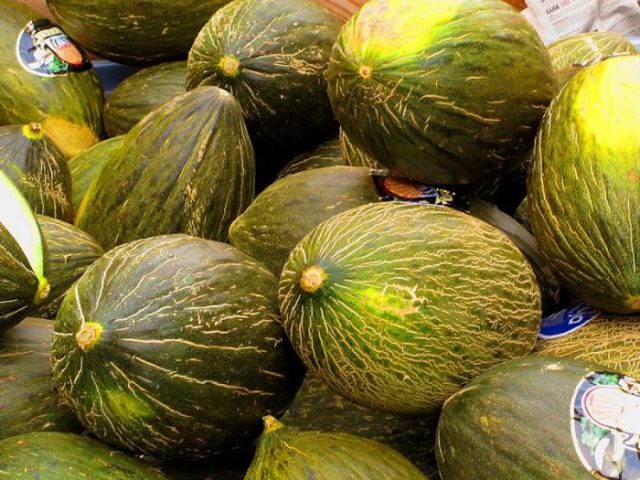
It is planted in the hottest months of the year, the summer months, since it requires high temperatures throughout the cultivation process, in order to be harvested in the first months of autumn. It can be planted as a seed, which is the most recommended way, since it is when the plant best adapts to the terrain, or as a seedling, recommended for grafting. The most favorable temperature in which it develops is between 18º C to 26º C. It requires abundant sunlight and needs a good watering.

How And When To Plant Melons

When to plant melons?

You must choose an area that receives sun for a large part of the day, you can measure the soil temperature with a thermometer, which should not exceed 20ºC, so that the seeds can germinate correctly, or if they were seedlings so that they can develop properly.

You have to know what is the pH of the land where you are going to plant the melons, since it is recommended that it not be less than 6, nor that it exceed 7, in this way the soil will have an optimal level of calcium, in in the event that it does not have it, the soil must be fertilized by adding compost or natural fertilizers, which you can obtain either in a suitable store for plants or a nursery. Well, melons have to grow in a soil rich in nutrients. The soil must first of all be loose.

With the help of a rake or shovel, remove the soil from the ground, to eliminate any large stone or stick that prevents the plant from carrying out its development. The area in which the seeds or seedling are inserted must not exceed 2 mm.

In the event that the person who wants to sow melons lives in a place where the winters are longer and the summers last less time, it is recommended that the germination of the melon seeds be carried out inside your home, especially in times when it is colder, until it is already a suitable temperature to be able to take it outside and move it to the garden. In order for the seeds to germinate, you must take a plastic container, which could be a glass or a small pot, and fill it with peat or compost.

The last days of May and the first days of June are the most recommended dates to start planting melons. If the earth is very cold and does not receive constant heat, the seeds will never germinate, so in times of frost you will never be able to see this fruit born. It is essential that the soil does not drop below 20ºC so that any type of melon can continue its normal development process.

How to plant melons?

When planting them you must make a kind of small mountains that measure about thirty centimeters high and that do not exceed ninety centimeters wide, leaving a separation of half a meter between mounds. The distance between each row should be 1 meter, so that the tangled branches of the melon can grow and spread with enough space. Three to five seeds should be placed in each mound, at a depth of about four or fifteen inches from the surface of each one of the mounds. In the event that you do not use the seeds but seedlings that you have germinated at home, you can put two or three for each mound. When finished, water the area well with water.

Cover the seeds or seedlings with a black cloth cover or plastic mulch, in order to protect them, in the event that the weather is somewhat cooler, another option is to use floating type covers, which store heat and can be carry out their growth, in addition to being a way to isolate them from possible pests of numerous insects.

Irrigation

They must be watered every two days or at most three, in the middle of summer, they need a maximum of five centimeters of water a week, but in the event that the climate is drier and more arid, they will need to be watered a little more frequently, on all to better cope with all the heat to which they are exposed. It should never be abused when watering them, because they could easily water down and rot. If the water accumulates above the ground, you should add more mulch in the surrounding area so that all that excess standing water can absorb it.

As the melon grows and acquires maturity, the irrigated ones must be cut, since it is a special way that is used so that they better adopt their sweetness and their characteristic flavor. If this is not carried out, the flavor they have may not be adequate.

Fertilization.

The type of fertilizer is important, you should use one bought in a nursery or in specialized plant stores, if you want to make a homemade fertilizer and not spend money, you can create compost, which is made up of different organic animal waste or plants, earth and lime. The amount that is added can be a small handful by hand that surrounds the entire plant. The frequency with which the fertilizer is applied can be every three and four weeks.

Harvest

Normally it is usually in the last month of summer or the last days of this season, at the latest in early autumn, where the melons are fully ripe and can be picked. One method to find out if the melon is ready is to smell its skin. When the melon is cut and picked it can get softer but its sweetness will not increase. It is recommended that they be consumed in the days after being cut, if not, they can be kept in the fridge without opening for a maximum of fifteen days. After a fortnight they will start to get ugly and will not have the same texture.

Possible pests and diseases in the plant

When you see that small insects appear on the leaves that can damage the fruit, you are always in time to cover each row with a good cover, in order to prevent their access to the plant.

Mildew: If there are any white spots or spots, both on the leaves and in the stem area, it means that it is being invaded by powdery mildew. If this disease has reached the plant, you must to use a suitable fungicide in the form of a spray or diluted copper. You should not only spray it for the damaged plant but for the entire garden through which it can spread.

Aphids: When you notice the presence of small black bugs throughout the plant, you should buy a type of insecticide that you have to apply especially in the morning, the sooner the better, and repeat the same procedure as many times as is convenient.

Cucumber beetles: If you see that this type of insect is damaging the melon leaves, you can use pyrethrins on the ground, or use traps to kill them.

How And When to Plant Lettuce

0

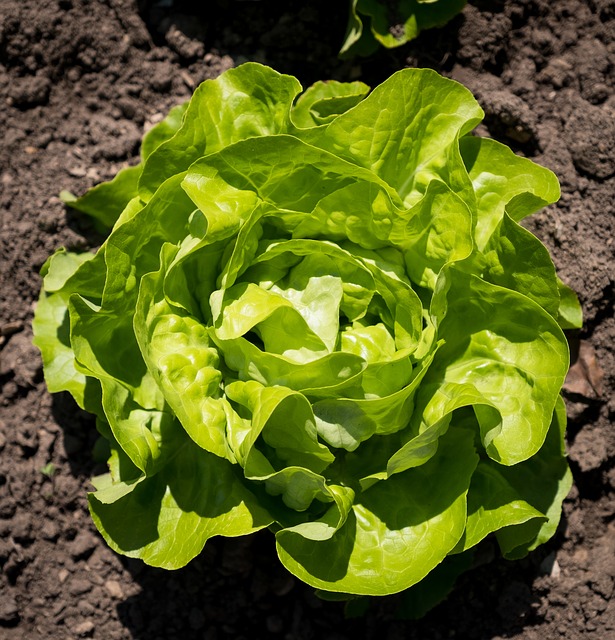
Burgers are prepared all over the world and one of the essential ingredients is lettuce. With its mild flavors and all the nutrients that provide us with life and health. Their characteristics are unique, but they have many varieties according to their texture.

How And When To Plant Lettuce

To prepare salads they are divine and give a special touch to all the recipes that are made with it. It is rich in folic acid and vitamins A, B, C, D. which are very helpful to strengthen the immune system and provide you with a lot of energy.

It is native to the American continent, but it occurs in many parts of the world since it is a plant of cold soil and low temperatures so planting it in winter is an ideal time for germination and production.

Lettuce also provides an amount of water to the body, so it helps keep us hydrated and regulate bowel movements to avoid constipation. Another important feature of lettuce is that it can be used to increase hemoglobin in patients who have leukemia or problems with hemoglobin.

For pregnant women it is vitally important to consume plenty of lettuce salads. If possible, every day, since folic acid contributes to the formation of the baby’s bones and all its internal organs.

On the other hand, one of the tastiest salads is the one that is prepared with lettuce chopped into pieces, placing a grated carrot, about 3 chopped tomatoes in wheels, a white onion, also in thin wheels, a few pieces of chicken breast, and a little mayonnaise, with a splash of lemon or vinegar and salt to taste.

It should be noted, that many laboratories that today produce medicines and vitamins. They are already using lettuce to extract folic acid, vitamins and minerals that are produced on a large scale and sold in pill format for people with health problems and malnutrition.

For diets it is ideal, since it does not have any carbohydrates and instead of eating a large plate of pasta to fill you with cholesterol and triglycerides, we recommend that you eat a large plate of lettuce salad with tomato and carrot. This will take away your hunger and give you a significant amount of energy. If you take this advice and every day you eat pure salad at 15, days you will see the results, you will have about 20 kilos less.

Lettuce helps cure blood pressure problems, as it considerably improves blood circulation, and cleans the arteries of excess fat, remember that we were designed to consume fruits and vegetables, it is more our flat teeth at the bottom confirm it. That’s why the consumption of lettuce will improve your health a lot.

And it is best to harvest lettuce, in the yard or theft in your house, free of pesticides and chemicals that in the end we consume without realizing it when we buy lettuce in the market. This happens because when lettuce is produced in large quantities and the correct care is not taken, pests can fall and the harvest is lost.

That’s why in this article we will give you several tricks that will help you grow and harvest lettuce at home and you can enjoy all the benefits that this important legume gives us and that we have all consumed at some point.

Big fast food entrepreneurs like Mac Donald. They use lettuce in large quantities to prepare their hamburgers, but on the other hand and thinking about those people who have health problems or simply want to take care of their image and do not want to have extra pounds. It has already incorporated into its menu’s lettuce salads with different preparations and different dressings that are very healthy and super tasty.

Of course, it is important to know that lettuces have to be very well prepared and selected, because they contain so much moisture in their crops. Many parasites and amoebas lodge in its leaves and stems. So, it is recommended to leave it with a little vinegar and water, submerged for 15 minutes and this will kill all the parasites that may be lodged in its leaves. If not, you will most likely fill up on amoebas and at the same time have serious stomach problems.

Instructions for and when to plant lettuce

  1. Lettuces are sown by means of small seeds that you can easily get in any store in Spain.
  2. The best time to sow and germinate the seeds is in winter since it germinates in cold soil from 0 to 15 degrees Celsius. Of course, and temperatures less than zero degree are not recommended because the leaves wither.
  3. The first thing is to have the soil free of weeds and with a good fertilizer or compost that can be prepared by yourself at home.
  4. Take the coffee grounds, the waste of fruits and vegetables, the eggshells, dried leaves of any tree and dig a hole in the middle of your land or space that you selected for cultivation.
  5. You add all this waste and mix it with the sand you took out of the hole, then cover the hole with all this well scrambled.
  6. Water it with water every day for at least 9 months, before you start sowing lettuce seeds.
  7. After everything is well fermented and the waste is dark in color, take a pickaxe and dig some furrows of the size you want, but with a depth of 20 centimeters and a separation from each other of 50 centimeters.
  8. In the upper part that is between each furrow you are going to sow, 5 seeds per hole, these holes will have a depth of 2 centimeters and a separation from each other of 40 centimeters.
  9. In three months, you will begin to see the buds of the lettuce leaves.
  10. It should be noted that in winter the temperatures at night drop a lot, so you should place incandescent light lamps at a close distance from each lettuce plant, so at night you will be very illuminated, planting space.
  11. We recommend you place a thermometer in the soil where your planted plants are so that you can have an approach or a distance from the lamps and you can determine an approximate temperature of 2 to 15 degrees, already in the day if you can turn off the lamps because the sun maintains a suitable temperature.
  12. Lettuce is a somewhat delicate plant, if it gets a lot of sun the leaves burn and if it gets very cold, they wither and burn their leaves too.
  13. Then we recommend that you place a drip irrigation system, which helps you keep the soil moist and allows you to save water.

What do you need for and when to plant lettuce?

  • Lettuce seeds.
  • Fruit and vegetable waste.
  • Earth.
  • Water.
  • Incandescent lamps.
  • Hoses.
  • Pick and shovel.

Tips for and when to plant lettuce

  1. The first thing is that we recommend the drip irrigation system, because if you water too many plants can fall pests that will eat the leaves of lettuce and lose the harvest.
  2. If you are in the middle of winter, you have to be very careful to keep the temperature of the soil and the site at 2 to 15 degrees Celsius because very low temperatures kill the harvest and do not let the seeds germinate optimally.
  3. If you notice that your lettuces are filling with snails or slugs, you can take some sulfur powder and place some on its base or stem.
  4. Go ahead and become an urban farmer and enjoy eating healthy and living better, thanks to the lifetime benefits of lettuce.

How And When to Plant Grama

0

Although it has a somewhat strange name, everyone has passed over it at some point. It is a common greenish, dense plant that grows especially in warmer climates, which is usually born among the grass, and in those soils that receive more moisture and irrigation. In a plant that is used as a component by gardening professionals to form part of lawns or flower beds in any park or private garden.

How And When To Plant Grama

It is a plant that is capable of spreading in any direction, through the shoots that grow from it, which is why it is sometimes called a pest. It also usually occurs in those fields that are large and open, on which cattle walk, where there are crops, being a plant that dominates the space, in which it grows. It is used to cover the lawn, since its low cost allows it to be used frequently, in addition to its easy maintenance. It stands out above all for its properties, being healing, anti-inflammatory, remineralizing and diuretic.

How to properly prepare the ground before sowing?

With a plow machine that you have at home or, rather, that you buy in a garden store, you must plow all the land in which you want to plant it, you must eliminate any weeds and patches of grass that you can find, in this way in this way, while the plant is developing, it does not have to fight for its space with any other around it. If you can’t get that special soil removal machine, you can buy a hand tool.

You must pay attention, in case there is Lolium on the ground, since this prevents the correct growth of the grass. All uprooted grass and weeds should be raked out.

The field has to have two properties, which are to be fresh and to be very clean. In addition, the land must have a Ph that is not less than 5 nor more than 7, for this it is necessary to examine the land well, if you do not know how to do it, you can take a portion to a specialized center that knows how to evaluate it. If the earth is very acid, it must be made alkaline, as if it happens, on the contrary, if the alkalinity level is very high, it must become somewhat more acidic and this can be achieved by adding sulfur.

This grass grows on land that is properly drained and whose formation is based largely on organic matter. Clay-type soils, that is, with a good supply of humus, specifically a layer of about 15 centimeters, is adequate for planting grass.

When to sow the grass?

There are two ideal times, one is in autumn, but be careful with regard to weeds and the weather, since temperatures of a few degrees are not suitable for this plant. And on the other hand, spring, if they are planted in this season, you should not control the weeds so much, but you should leave them until the grass seeds germinate, and you have cut them a minimum of three times.

How to sow the grass?

You must achieve that all the land has the same level of height, with the rake after plowing you can achieve it, especially trying to make those holes or small mounds that may exist disappear. In the event that there are holes, you must fill them with earth. Remove large boulders from the ground, or any type of organic waste that you can find.

With the help of a seeder or by hand you must place the seeds evenly throughout the field. Then cover the seeds with the help of a rake, so that they can grow correctly, without adding too much soil, the appropriate thicknesses are between 0.30 centimeters and 0.60 centimeters in height, that is, they have a light cover.

When the sowing is finished, they should be watered automatically, so that all the earth is moist, you can do it once or twice a day, to check that it is very moist you can insert a finger into it. Although it is a plant that resists dry seasons well, it needs a good supply of water in the beginning to germinate, specifically the first three weeks. As the plant matures, and measures about 5 centimeters, watering will be done less frequently.

You must add fertilizer that you must buy at a plant or garden material store, and spread it well throughout the planted land. It usually takes between 20 or 3 days to germinate.

The grass takes time to grow to a suitable size, approximately one year, although its maintenance is somewhat cheaper, it requires more work and continuous vigilance.

How to plant grass plates?

The plates are already grass that has germinated and grown to later join the earth. Before placing it, you have to measure the ground you want to cover with the plates. Before placing it, you have to water it well, at least one day before, in this way you prepare the ground so that the grass that is placed has a healthy development. You should not flood the soil, and you should make sure that what is thrown out during irrigation is well absorbed. In the event that it does not take irrigation well, it may be because the soil is very clayey, so the land must be plowed and compost added.

Place the planks, always starting from the right side, on the longest side of the garden, with the part that has soil facing down, and press them slightly until they are completely flat on the ground. Yes, with each of the plates until the entire space is covered. In areas where there are corners or small objects that prevent putting the entire square of the champa, cut it out with the help of a shovel, to make it fit well.

Always place the plates in a straight line, they must all be fully glued and well fitted, since if you leave a hole, it will look like a hole and will not be aesthetically pleasing.

You have to give them a daily watering, especially after placing them, watering if possible is preferable in the morning. An important fact to keep in mind is that it should not be stepped on during the first seven days after it is placed, thus ensuring that it grows in a healthy way. If the watering is done in the afternoon or at night, it will be more frequent that you can contract some type of infection or disease, caused by insects or fungi.

After two weeks, the grass in the form of a plate would already be ready to become pedestrianized.

The pruning of the grass.

This is done on those days when it has not been watered, since it cannot be pruned with moist grass. To achieve an aesthetic appearance, you have to cut frequently, especially the edges, to get everything to measure the same height, to use it, use a sharp shovel or pruning shears.